Do Consignment Sellers Get Paid? Timing and Terms
A Chanel flap bag sitting in a closet can feel like stored value. But before sending it to a resale partner, the practical question is simple: do consignment sellers get paid? Yes, typically after the item sells and the transaction reaches the retailer’s stated payout point. The exact amount and timing, however, depend on the consignment agreement, the final sale price, and any applicable fees or return periods.
For luxury handbags, details matter. A reputable consignment experience should make those details clear before you hand over an Hermès, Louis Vuitton, Dior, or Gucci piece.
Do Consignment Sellers Get Paid After the Item Sells?
In a standard consignment arrangement, you retain ownership of your handbag or accessory while the retailer markets it, manages buyer inquiries, processes payment, and ships the item once purchased. You are paid a portion of the sale proceeds after the sale is completed under the agreement’s terms.
That is different from a direct buyout. With a buyout, a reseller offers you a set amount and purchases the item outright. You receive payment sooner, but the offer is usually lower because the buyer assumes the pricing, inventory, and resale risk. Consignment may deliver a stronger return for a sought-after piece, but it requires patience.
The key distinction is this: a consignment quote is often an estimate of what you could earn, while a completed payout is based on what the item actually sells for. If market demand shifts, a price reduction becomes necessary, or the piece has condition issues not visible in initial photos, your final return may change.
When Does a Consignment Payout Arrive?
Most luxury consignment sellers are not paid the moment their item is listed. Payout commonly happens after the bag sells, the buyer’s payment clears, and any stated return or inspection window has passed. The specific schedule varies by retailer. Some issue payment within a set number of business days after final delivery; others pay on scheduled dates each month.
This timing protects both sides of the transaction. Luxury resale involves high-value merchandise, payment fraud concerns, delivery confirmation, and, in some cases, a buyer return period. A retailer that pays before these steps are complete takes on more risk, which can affect the terms it offers sellers.
Before consigning, ask for the payment policy in writing. You should know whether payout is calculated from the sale date, delivery date, or the end of a return window. You should also know the payment method, whether it is ACH transfer, check, PayPal, store credit, or another option, and whether a minimum payout balance applies.
How Much Do Consignment Sellers Receive?
Your payout is usually a percentage of the final selling price. The retailer deducts its commission for the work and risk involved in selling the item: photography, listing creation, authentication, merchandising, payment processing, customer service, shipping coordination, and buyer support.
Commission structures vary. A highly desirable, current-condition bag with a strong resale profile may qualify for a more favorable seller percentage than a lower-value accessory or a piece with limited demand. Some businesses use a flat commission rate. Others use tiered rates, where your percentage increases as the sale price rises.
The most useful question is not simply, “What is your commission?” Ask, “What will I receive if my item sells at this price?” A clear projected net payout lets you compare options honestly.
For example, a handbag listed at $3,000 with a 70% seller payout would return $2,100 before any separately disclosed charges. If it later sells for $2,700 after a price adjustment, the payout at the same rate becomes $1,890. That is why the listing price, the discount policy, and your approval rights all matter.
What Can Reduce Your Final Payout?
A polished consignment listing can make an iconic bag more compelling, but presentation does not erase condition or market realities. Your final payout may be affected by price reductions, restoration needs, missing accessories, or a lower-than-expected authentication assessment.
Review these terms closely before consigning:
- Price reductions: Find out whether the retailer can discount your item automatically or must receive your approval first.
- Authentication outcomes: If an item cannot be authenticated, understand whether it will be returned and who covers return shipping.
- Condition discrepancies: Ask how undisclosed wear, odor, altered hardware, or repairs affect the quoted value.
- Withdrawal policies: Know whether you can request your item back before it sells and whether fees or shipping charges apply.
- Unsold inventory: Confirm what happens if the consignment period ends without a sale.
Authentication Protects the Seller, Too
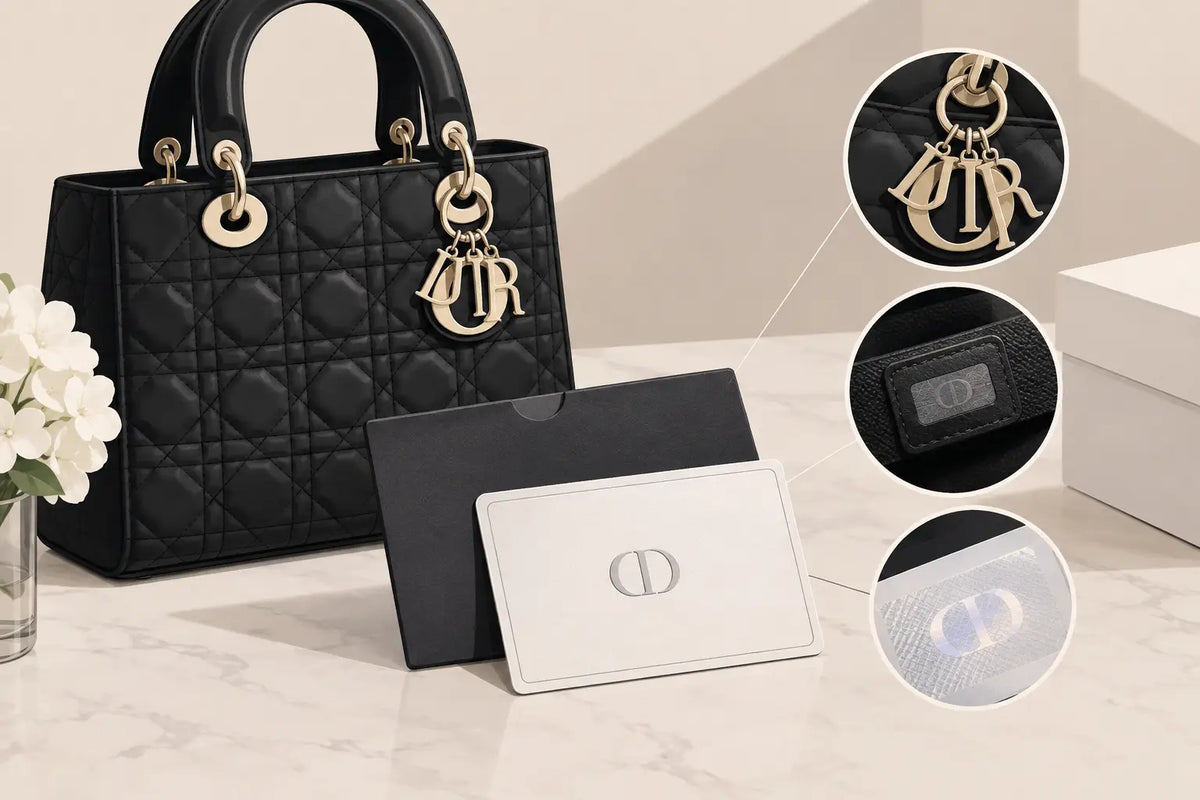
Authentication is often discussed as a buyer benefit, and it is. A verified item gives a buyer greater confidence to purchase pre-owned luxury online. For the seller, professional authentication also supports a cleaner, more credible sale.
A reputable luxury reseller should inspect the item’s materials, craftsmanship, hardware, date codes or serial indicators where applicable, and other brand-specific markers. Third-party authentication tools and expert review add another layer of reassurance. If a seller’s item is verified and accurately represented, there is less chance of a dispute rooted in uncertainty about authenticity.
Condition disclosure works the same way. Honest photos and clear notes about corner wear, scratches, interior marks, glazing, tarnish, or repairs help set the right expectation before checkout. A buyer who knows precisely what they are purchasing is less likely to challenge the transaction later.
Consignment or Direct Sale: Which Is Better?
Neither route is automatically better. The right choice depends on how quickly you need funds, the rarity of the item, and how involved you want to be in the process.
A direct sale is often best when speed and certainty are your priorities. You accept a fixed offer, transfer ownership, and avoid waiting for the right buyer. This can be appealing for bags with softer demand, pieces you no longer wish to store, or situations where immediate cash matters more than maximizing return.
Consignment is often the better fit for exceptional bags that deserve a curated presentation and time in front of qualified buyers. A classic Chanel, a coveted Hermès colorway, or a limited-edition Louis Vuitton can benefit from thoughtful pricing, elevated imagery, and a boutique audience that understands the value of authenticated pre-owned luxury. The trade-off is that no one can promise the exact date a buyer will purchase it.
At The Luxe Affair, the value of a curated resale process comes from pairing iconic pieces with authentication, detailed condition disclosure, and a buyer experience designed to build confidence. That confidence can be especially meaningful when your item is a significant investment rather than an ordinary closet cleanout.
Questions to Ask Before You Consign
A trustworthy partner should answer direct questions without vague language. Ask what percentage you will receive, how the selling price is determined, when discounts can occur, and when payment is released. Confirm whether authentication, photography, shipping, insurance, storage, return handling, or withdrawal carry any fees.
Also ask how your bag will be protected while it is in the retailer’s possession. High-value luxury pieces should be handled, stored, and shipped with appropriate care. If an item is lost or damaged, the agreement should explain the retailer’s responsibility and the compensation process.
Read the consignment agreement before shipping or dropping off your item. A strong agreement is not just legal paperwork. It is the clearest indication of whether a reseller respects the value of what you are entrusting to them.
Your handbag has already earned its place in your wardrobe. If you decide it is time to let it go, choose a resale path that treats it as more than inventory - and gives you clear expectations from authentication to payout.