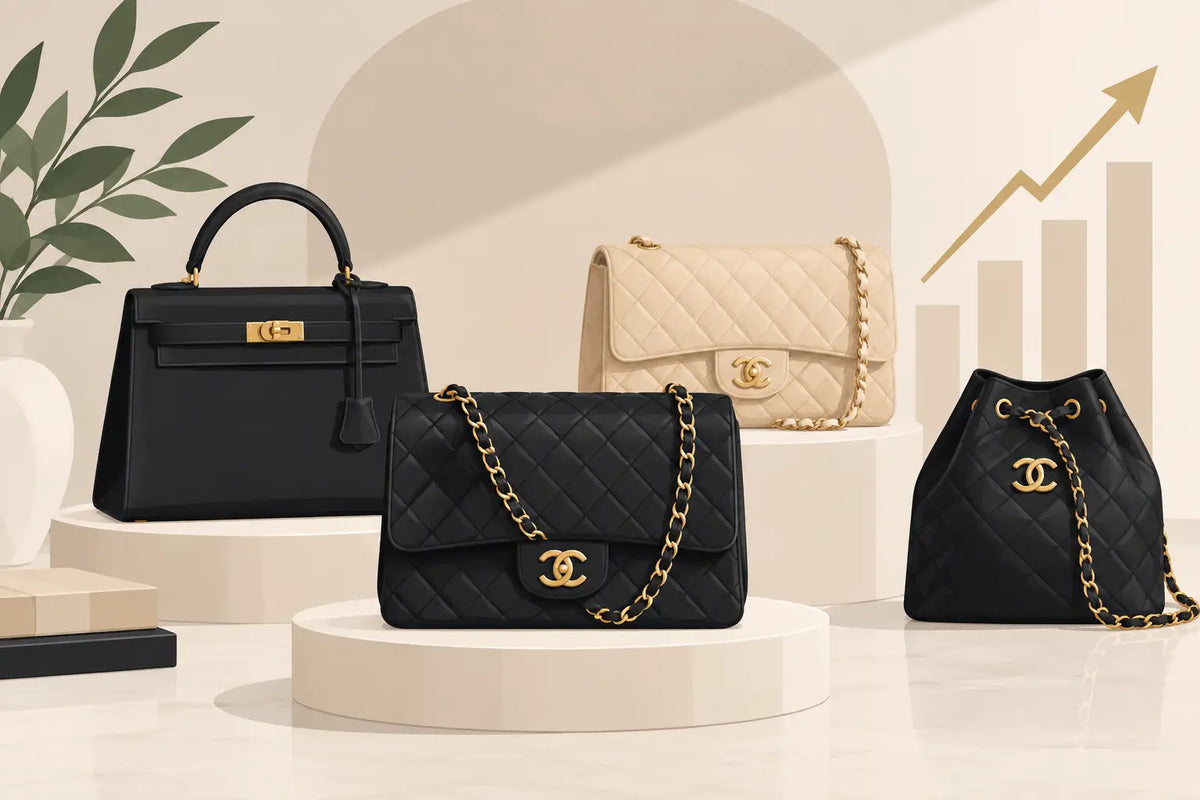
Boutique Resale vs Marketplace: Buy With Confidence
A Chanel flap bag listed at an irresistible price can look equally compelling on a peer-to-peer app and in a curated online boutique. The difference is not just where you click Buy. In the boutique resale vs marketplace decision, you are choosing how much verification, transparency, and support stand behind a high-value purchase.
For luxury shoppers, resale should feel exciting, not uncertain. A pre-owned designer bag can offer access to an iconic style, a discontinued color, or a more considered path to ownership. But the secondary market is not one experience. Understanding the distinction helps you shop for the piece you want with the level of confidence you expect.
Boutique Resale vs Marketplace: The Core Difference
A marketplace is built around volume and individual sellers. It gives buyers a broad selection, often with listings from private owners, resellers, and businesses across many price points. The seller typically creates the listing, supplies the photos and description, and ships the item after a sale. Some marketplaces offer authentication programs or buyer protections, but the process can vary by category, price, location, and listing.
A boutique resale retailer takes a more selective approach. Inventory is curated before it reaches the customer, with items evaluated for authenticity, condition, and resale suitability. Rather than sorting through thousands of listings with uneven photography and incomplete details, shoppers can browse a more edited selection of luxury pieces presented to a consistent standard.
Neither model is automatically right for every buyer. A marketplace may be useful when you are hunting for a highly specific, hard-to-find item and are prepared to do significant research. A boutique is often the stronger choice when authentication, clear condition disclosure, and a polished purchase experience matter as much as the bag itself.
Authentication Is the First Question
Luxury handbags are particularly vulnerable to counterfeiting. The details that separate an authentic Hermès, Louis Vuitton, Dior, Gucci, or Chanel bag from a convincing imitation can be exceptionally subtle. Hardware engraving, date codes, serial details, stitching, leather quality, construction, and era-specific features all require informed review.
On a marketplace, the seller may state that an item is authentic, but that claim does not replace a professional assessment. Photos can be limited, edited, or too low-resolution to verify important details. Even well-intentioned sellers may not recognize a concern or may have incomplete provenance from a previous purchase.
A reputable luxury resale boutique makes authentication part of its business model, not a step left to the buyer. At The Luxe Affair, items are authenticated through qualified third-party experts, including Entrupy and Legit App, before they are presented for sale. That layer of review is especially valuable when purchasing an investment-worthy handbag that you plan to carry, collect, or eventually resell.
Authentication does not merely protect your payment. It protects the pleasure of ownership. You should be able to enjoy an iconic bag without second-guessing its story every time you reach for it.
Condition Details Should Be Specific, Not Vague
Every pre-owned luxury piece has a history. The goal is not to find a bag that pretends to be brand new. It is to understand exactly what you are purchasing and decide whether the condition matches the price and your expectations.
Marketplace listings can range from beautifully documented to frustratingly vague. Terms such as “excellent” or “gently used” mean different things to different sellers. One person may consider softened corners insignificant; another may view them as a reason to pass. Interior marks, hardware scratches, leather wear, odors, repairs, and missing accessories may be easy to overlook when descriptions rely on broad labels.
A boutique resale experience should provide a more consistent picture. Look for clear, well-lit photos of the actual item, close-ups of corners and hardware, and condition notes that address visible wear directly. Details about included accessories, such as a dust bag, box, strap, clochette, lock, receipt, or authenticity documentation, are equally useful.
This level of disclosure matters because condition affects more than appearance. It influences longevity, resale potential, and how satisfied you will feel when the bag arrives. A well-loved vintage piece can be a wonderful choice if its character is reflected honestly in both the description and price.
Price Is More Than the Listing Number
Marketplaces can create the impression that the lowest listing is automatically the best value. It rarely is. A lower price may reflect a seller’s urgency, but it can also reflect uncertain authenticity, incomplete condition information, unexpected fees, missing accessories, or an inconvenient return process.
Boutique resale pricing may sometimes appear higher at first glance because it accounts for expert authentication, inventory intake, professional photography, condition evaluation, customer support, secure payment processing, and shipping. Those services have value, particularly when the item costs hundreds or thousands of dollars.
The smarter comparison is total confidence per dollar. Consider the final cost, sales tax, shipping, financing availability, return terms, and what happens if an item arrives differently than described. A purchase that is modestly higher but backed by credible verification and a responsive team may be the better value than a bargain that leaves you to resolve every issue alone.
For collectors, condition and authenticity can also shape future resale value. Paying attention to those factors at purchase protects your options later.
Service Changes the Purchase Experience
Buying from an individual seller can be perfectly straightforward, especially for lower-risk pieces. Still, the experience often depends on one person’s responsiveness and familiarity with luxury goods. Questions about measurements, wear, shipping timing, or accessories may go unanswered. If an issue arises, the marketplace’s policies may determine the outcome rather than a dedicated luxury specialist.
A curated boutique is designed to provide a more elevated transaction. You should expect timely answers, secure checkout, careful packing, and a reliable shipping process. Complimentary US shipping and financing options can also make a significant purchase more practical without taking away from the excitement of choosing something special.
This is not about removing every consideration from shopping pre-owned. It is about knowing who is accountable for the experience. When you are purchasing a bag you have admired for years, clear communication is part of luxury service.
When a Marketplace May Make Sense
Marketplaces still serve a purpose in luxury resale. They can expose you to a large number of listings and may be useful if you know exactly what to inspect. Experienced shoppers sometimes use them to locate rare runway pieces, unusual vintage styles, or discontinued colors that do not appear often in curated inventory.
That flexibility comes with responsibility. Before buying, review the seller’s history, study every available image, request additional photos when needed, compare the piece with verified examples, and understand the platform’s authentication and dispute policies. Be cautious with prices that seem disconnected from the current market, particularly for highly counterfeited styles.
A marketplace can reward patience and expertise. It is less ideal when you want a clear, supported path to authentic luxury ownership.
How to Choose the Right Resale Channel
Start with the bag and then consider your comfort level. If you are buying a recognizable classic, spending a substantial amount, purchasing your first luxury piece, or giving the item as a gift, a boutique’s authentication and condition standards can offer meaningful reassurance. The same is true if you want a streamlined experience rather than an extended negotiation with an unknown seller.
If your search is unusually narrow, a marketplace may offer more leads. Just account for the time required to vet them properly. A rare find is only a true find when its authenticity and condition hold up under scrutiny.
The strongest luxury resale purchase is not necessarily the one with the lowest price or the most dramatic discount. It is the one that gives you a beautiful piece, a clear understanding of its condition, and confidence in the hands it passed through before it reached yours.
Choose the resale experience that lets you carry the bag, not the doubt.