Resale Pricing Trends for Luxury Handbags
A Chanel flap bag listed at $5,000 and another listed at $7,500 may look nearly identical at first glance. Yet luxury resale pricing trends are rarely about a single number. They reflect a precise mix of condition, provenance, material, size, scarcity, current retail pricing, and the confidence a buyer has in the transaction.
For shoppers, understanding these movements makes it easier to recognize real value without confusing a high price with a strong investment. For sellers, it helps set expectations before consigning or selling a designer bag. The most desirable pieces can hold value remarkably well, but the secondary market rewards details.
What Is Driving Resale Pricing Trends?
Luxury handbags occupy a distinctive place in resale because they are both fashion objects and durable goods with established collector demand. A highly recognizable bag from Hermès, Chanel, Louis Vuitton, Dior, or Gucci can remain desirable well beyond the season in which it was released. Still, brand recognition alone does not guarantee the same resale outcome for every piece.
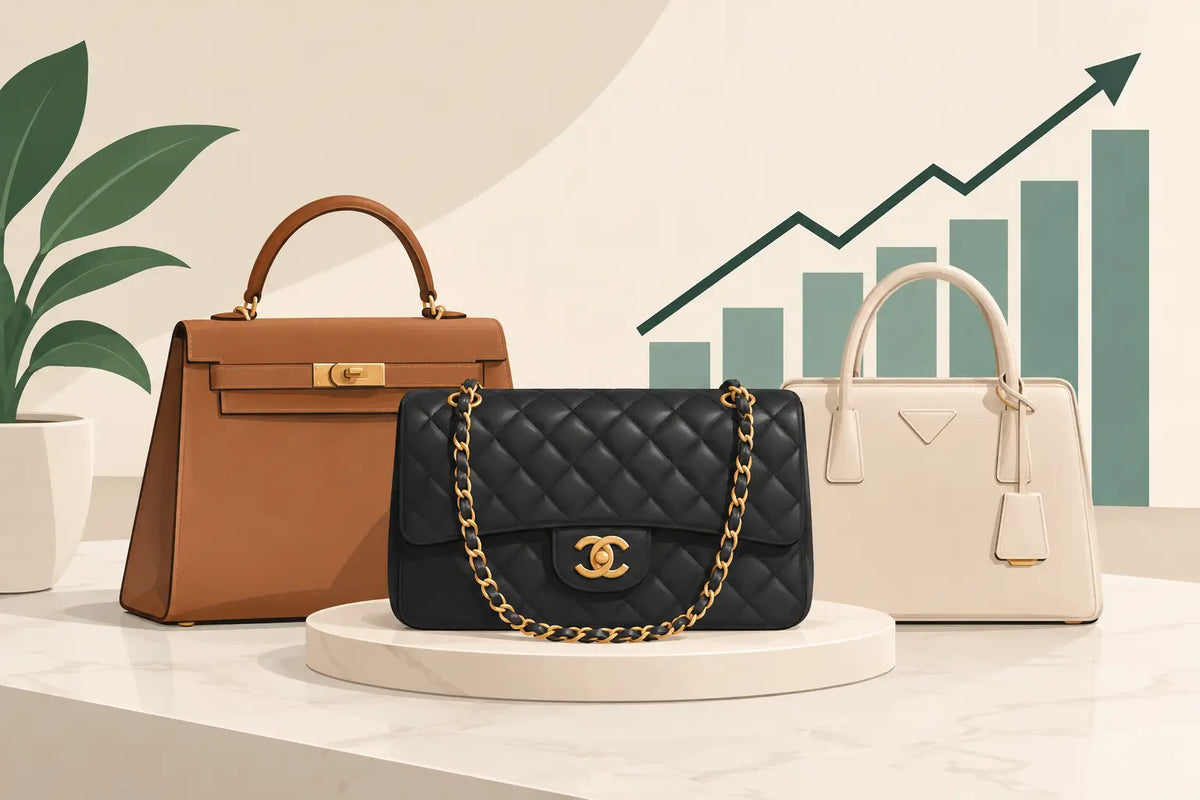
The strongest pricing typically follows items with enduring design language, limited availability, and a history of demand. Think classic flap bags, Birkin and Kelly bags, select Louis Vuitton collaborations, and Dior styles that remain closely associated with the house. These pieces have a built-in audience, which supports demand when they re-enter the market.
Retail price increases also shape resale values. When a luxury house raises boutique prices on a popular style, authenticated pre-owned examples often become more compelling to buyers who want the bag now, prefer a discontinued color, or see an opportunity to purchase below current retail. That does not mean every resale price automatically rises. Availability, condition, and buyer sentiment still determine whether the market follows.
Condition Is a Pricing Detail, Not a Footnote
In luxury resale, condition is often the clearest dividing line between a strong price and a compromised one. A bag described as excellent may command meaningfully more than the same model with corner wear, scratches, stains, odor, hardware fading, or interior marks.
Buyers should look beyond broad labels such as “good” or “very good.” Clear photography and candid condition disclosure matter because small flaws can have a large effect on value, especially on light leather, delicate finishes, and structured bags. A minor mark on a relaxed canvas tote may be easy to accept. The same mark on a pale Hermès leather bag or a pristine Chanel lambskin flap may change buyer interest immediately.
Included accessories can also influence the final price. Original boxes, dust bags, straps, clochettes, locks, keys, authenticity cards where applicable, receipts, and boutique packaging can strengthen a listing’s appeal. They do not erase wear or transform an ordinary item into a collectible, but they provide useful context and can make a complete set more desirable.
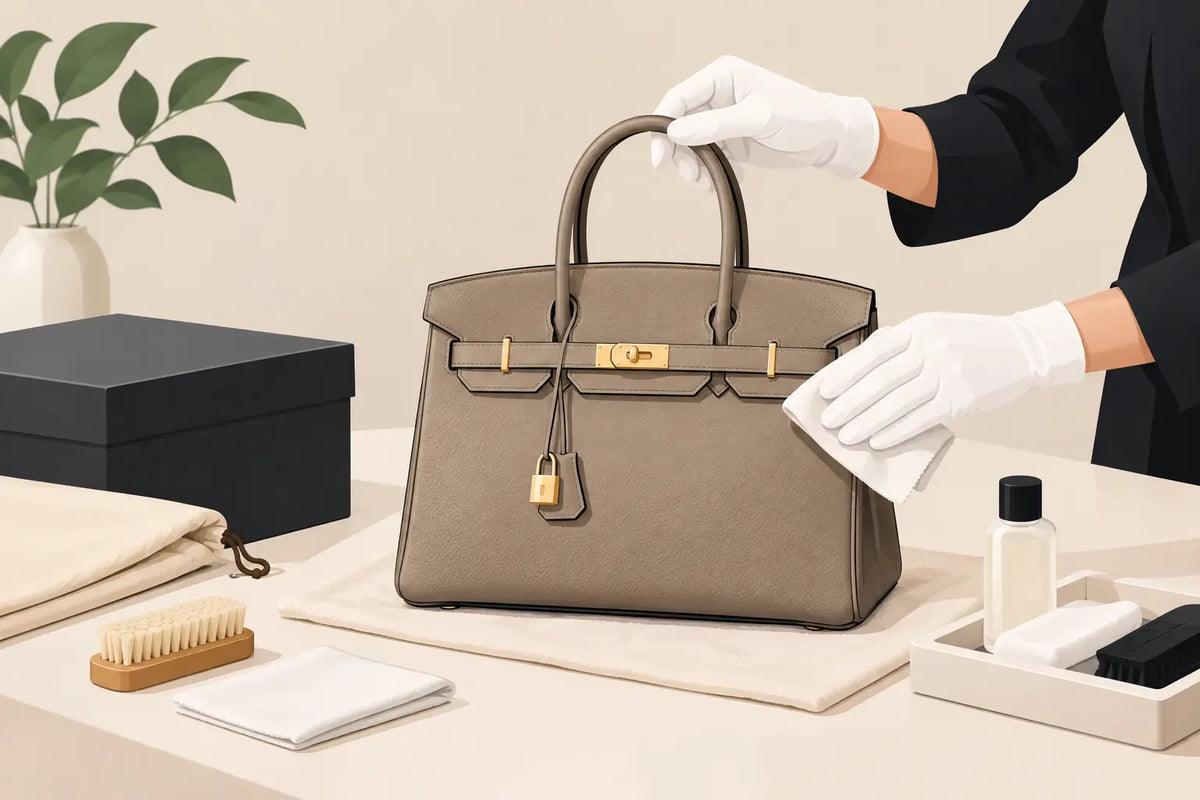
For sellers, professional cleaning or restoration deserves careful consideration. Thoughtful maintenance can improve presentation, but aggressive repairs, recoloring, replacement parts, or undisclosed alterations may reduce collector appeal. Originality matters, particularly for vintage and highly collectible pieces.
Scarcity Has More Than One Meaning
A bag can be scarce because it was produced in limited quantities, because the color or material is difficult to find, or because demand has outpaced the number of quality examples available. These are not the same thing.
Limited-edition collaborations and discontinued designs can attract collectors, but not every limited release develops lasting demand. A rare item without a strong buyer base may be difficult to price and slower to sell. By contrast, a classic silhouette in a desirable neutral color may have broader liquidity even if it is not technically rare.
Material can shift the equation as well. Exotic skins, specialty leathers, and unusual hardware combinations may carry substantial value, but their buyer pool is narrower. A more specialized piece can achieve an excellent price when the right buyer is present. It may also take longer to sell than a classic black leather bag with gold hardware.
This is why resale value and resale speed are related but different. A bag may have a high theoretical market value while requiring patience to reach the buyer who appreciates its specific attributes.
Authentication Supports Value and Buyer Confidence
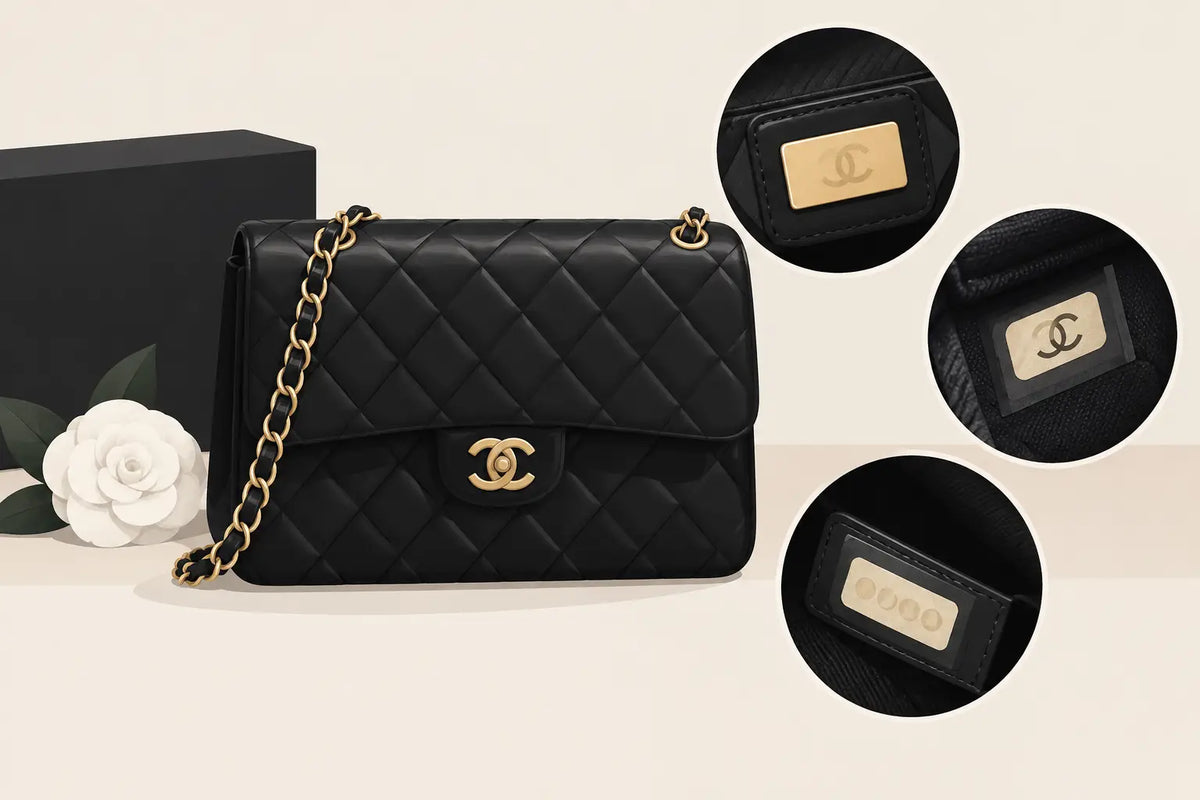
Luxury resale pricing depends on trust. In a market where counterfeits can appear convincing in photos, authentication is not simply an added service. It is part of what makes a high-value transaction possible.
A properly authenticated bag gives buyers more confidence in the price, the brand attribution, and the decision to purchase. It also protects sellers from the uncertainty that can arise on peer-to-peer platforms, where a listing may attract questions, disputes, or low offers because buyers cannot independently verify what they are seeing.
Authentication should be paired with accurate condition reporting. A certificate or expert review cannot replace a detailed account of wear, alterations, odors, missing accessories, or repair history. The best resale experience provides both: confidence that the item is authentic and clarity about its exact condition.
At The Luxe Affair, curated inventory and expert authentication help create that foundation of confidence. For buyers considering a pre-owned luxury piece, this level of review can be especially valuable when comparing listings that appear similar but differ in provenance, completeness, or wear.
Which Bags Tend to Hold Value Best?
There is no permanent list of guaranteed winners, and fashion cycles can change quickly. However, the most resilient categories tend to share a few characteristics: recognizable design, established demand, quality construction, and limited dependence on a passing trend.
Classic bags from heritage houses often perform more consistently than highly seasonal styles. Neutral colors such as black, beige, brown, and select metallics generally appeal to a wider range of buyers, although a rare seasonal color can outperform them when collector demand is strong. Smaller bags remain popular, but their resale performance depends on function as well as fashion. A compact evening style may be coveted, while a micro bag that cannot carry essentials may have a more limited audience.
Vintage is another area where broad assumptions can be misleading. A well-preserved vintage piece can be exceptionally appealing due to craftsmanship, discontinued details, or historical character. But age does not automatically equal value. A vintage bag with dry leather, peeling linings, weakened handles, or extensive restoration needs may be priced lower than a newer example of a less collectible style.
How Buyers Can Read the Market Before Purchasing
A smart resale purchase starts with the specific bag, not the brand name alone. Compare the exact model, size, leather, color, hardware, year or era, and condition. A price comparison is only useful when the pieces are genuinely comparable.
It also helps to separate personal value from projected resale value. If you love a particular color and plan to carry it often, paying a fair price for the right piece may be more satisfying than choosing a more “investment-worthy” bag that does not suit your wardrobe. A luxury handbag should earn its place through both enjoyment and quality.
For buyers focused on value retention, prioritize condition, classic proportions, desirable materials, and complete accessories when possible. Be cautious with prices that seem dramatically below the broader market. The lowest price is not always the best value if authentication, condition disclosure, return terms, or seller accountability are unclear.
Financing can make a purchase more accessible, but it should not obscure the total cost or encourage a decision that does not fit your budget. The most confident luxury purchase is one made with a clear understanding of the bag, the seller, and the price.
What Sellers Should Expect From Current Pricing
Sellers often begin with the original purchase price, but the resale market begins elsewhere. A bag’s present value is based on what informed buyers are willing to pay for comparable authenticated examples now, not what it cost at the boutique years ago.
Before setting expectations, consider the bag’s current condition, the availability of the style, whether it has been discontinued, and whether its color and material are broadly desirable. Include every accessory you have and be transparent about wear. Strong disclosure does not weaken a sale. It reduces surprises and helps attract buyers who are prepared to purchase.
Timing can matter, though waiting is not always the answer. Seasonal demand may favor certain styles, and a major retail increase can improve interest in pre-owned inventory. Yet holding a bag solely in hopes of a future price jump carries risk. Trends move, new releases shift attention, and a bag that sits unused can still develop storage-related wear.
The clearest signal within resale pricing trends is not that every luxury bag becomes an asset. It is that informed choices travel better through the market. Choose the piece you genuinely want, care for it well, keep its details intact, and purchase through a source that makes authenticity and condition clear. That is where lasting value begins.