Legit App Authentication for Designer Bags
A Chanel flap priced well below market can feel like a win right up until one question takes over the purchase - is it real? That is exactly why legit app authentication for designer bags has become part of the modern luxury resale conversation. For buyers and sellers who want more confidence before money changes hands, app-based authentication offers speed, convenience, and a more informed starting point.
Still, convenience is not the same as certainty. In the pre-owned luxury space, where craftsmanship, condition, and provenance all affect value, authentication should be treated with the seriousness the item deserves. If you are shopping for a Hermès, Louis Vuitton, Dior, Gucci, or Chanel piece, understanding what Legit App can do - and what it cannot do alone - helps you make better decisions.
What legit app authentication for designer bags actually means
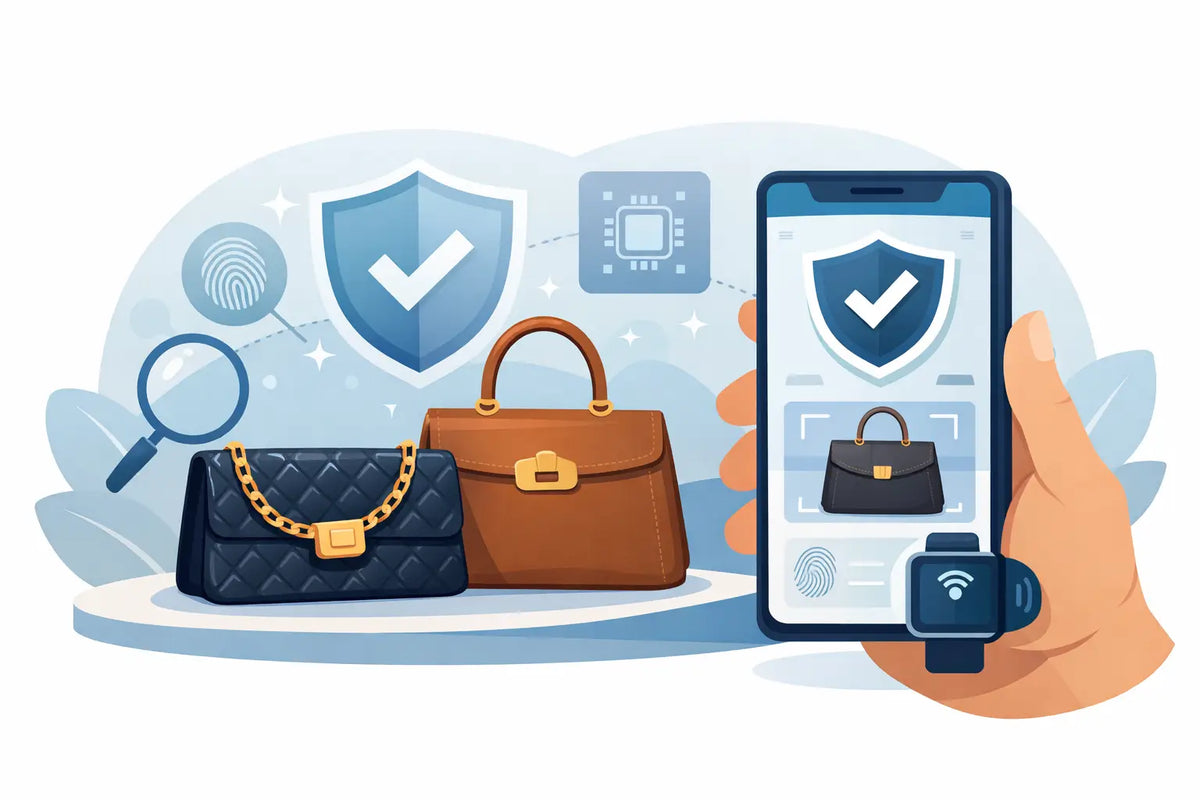
Legit App is a third-party authentication service designed to help assess whether a designer item appears authentic based on submitted images and item details. In practice, that means a buyer, seller, or reseller uploads photos of the bag, its hardware, stamps, stitching, date codes or serial details, and other brand-specific markers. The service then provides an opinion based on those materials.
That matters because luxury resale now moves quickly. Bags are listed, claimed, and shipped fast, often before a buyer has the chance to inspect the item in person. An app-based authentication tool introduces a layer of review that can reduce risk, especially in online transactions where trust is the deciding factor.
But there is a distinction worth making. Legit App does not replace the full due diligence expected from a reputable luxury reseller. It is one part of an authentication process, not a shortcut around one.
Why shoppers look for app-based authentication
The answer is simple: counterfeit goods have become more convincing. Some replicas now mimic shape, materials, logos, and packaging well enough to confuse inexperienced buyers and even careful sellers. A quick visual glance is no longer enough when four-figure and five-figure purchases are involved.
For many shoppers, app authentication feels accessible. It is faster than hunting down an independent expert, easier than learning every brand's production nuances from scratch, and far more reassuring than relying on a seller's word alone. If you are buying pre-owned luxury online, especially from an unfamiliar source, a third-party opinion can help separate a compelling listing from a costly mistake.
There is also a practical appeal for sellers. If you are consigning or selling a designer bag, authentication support can strengthen buyer confidence and help your item move faster. In a market where hesitation kills conversions, proof matters.
How Legit App fits into a serious authentication process
The strongest use of Legit App is as one layer within a broader verification standard. A serious luxury reseller does not rely on aesthetics alone, and it should not rely on any single tool alone either. Authentication is best handled through a combination of trained review, brand familiarity, image analysis, physical inspection when available, and consistent item documentation.
This is where boutique resellers distinguish themselves from open marketplaces. A curated luxury business has more at stake than a one-off seller. Its reputation depends on getting authentication right, disclosing wear clearly, and standing behind the item after purchase. In that environment, third-party tools such as Legit App can support the process, but they work best when paired with human expertise and internal quality control.
That layered approach is especially important because some authenticity markers vary by era, collection, production location, and brand-specific changes over time. A vintage Louis Vuitton bag and a newer Dior saddle bag do not present the same way. An authentication decision often depends on context, not just pattern recognition.
Where app authentication helps most
Legit App can be especially useful in early-stage decision making. If you are reviewing a listing and want a professional opinion before moving forward, the service can help you avoid obvious red flags. It can also support buyers who are comparing bags across resale channels and want more than seller assurances.
For sellers, it can help prepare an item for resale by identifying whether the photos and details support an authenticity opinion. That can be useful before submitting a bag to a consignment partner or resale boutique.
App authentication is also valuable when speed matters. If you are trying to secure a high-demand piece before it sells, waiting days for an in-person review may not be realistic. A digital assessment can help you act faster while still adding a layer of protection.
Where app authentication has limits
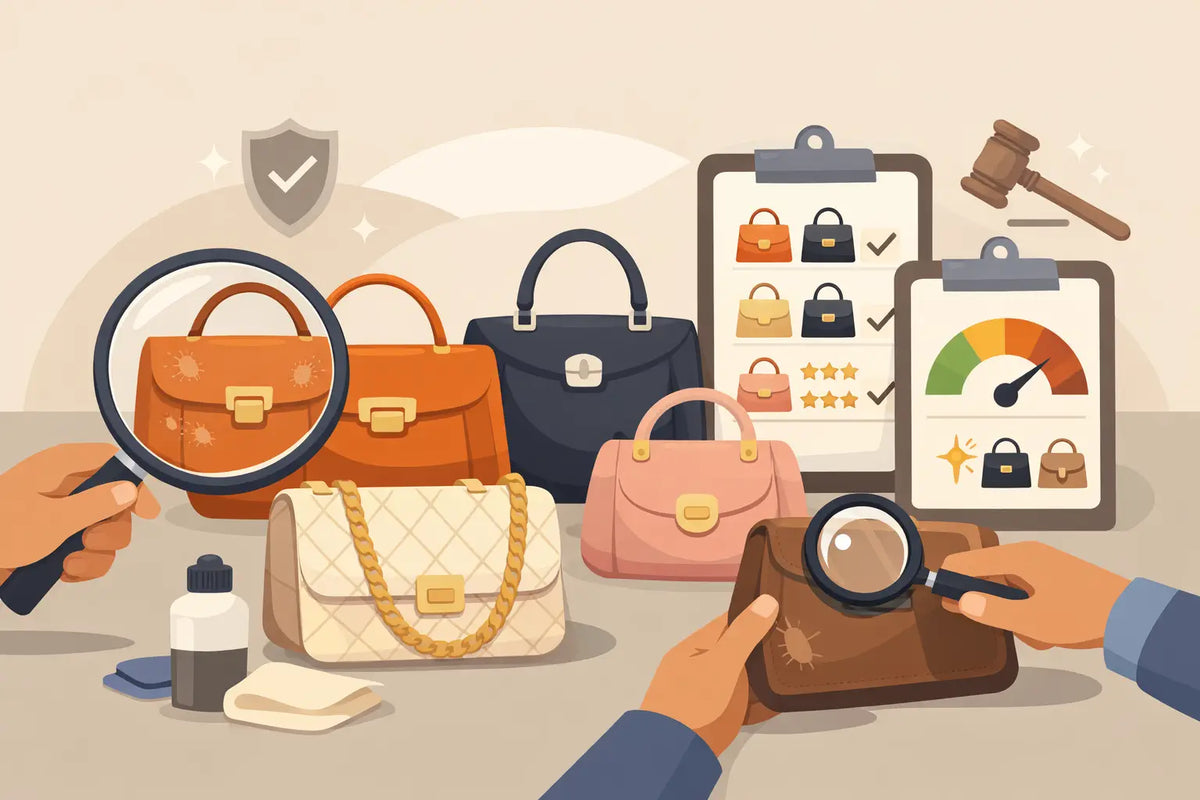
This is the part many buyers skip, and it is the part that matters most. Any authentication result is only as strong as the images and information provided. Poor lighting, missing angles, filtered photos, worn interiors, replaced parts, or omitted details can all affect the outcome.
That means legit app authentication for designer bags has real limits in scenarios where the item cannot be fully documented. A camera cannot always capture leather quality accurately. It may miss scent, texture, edge paint consistency, lining feel, or subtle construction issues that become more apparent during hands-on inspection.
There is also the issue of altered items. A bag might be authentic but repaired with non-original parts, repainted, or modified in ways that affect value. An app can help assess authenticity indicators, but it may not tell the full story about collectability, condition, or whether the bag aligns with what a discerning buyer expects.
For ultra-high-value purchases, rare seasonal pieces, or brands with heavily counterfeited models, relying on a single digital opinion alone may not be enough. That is not a knock on the technology. It is simply the reality of a category where nuance drives both pricing and trust.
What buyers should look for beyond the authentication result
A credible purchase decision should rest on more than one certificate or app response. Start with the seller itself. Is the business specialized in pre-owned luxury, or is it a general marketplace with limited oversight? Does it provide detailed condition disclosure, clear photography, responsive support, and a defined authentication policy?
Then look at the listing quality. Strong listings include close-up images of corners, handles, hardware, interiors, date codes or serial details when appropriate, and honest notes about wear. If the photos are vague or selective, authentication becomes harder and risk goes up.
It also helps to consider whether the seller stands behind the item after purchase. Confidence is not just about proving authenticity before checkout. It is also about knowing there is accountability attached to the sale.
Why boutique luxury resellers still matter
Technology has improved the resale experience, but it has not replaced expertise. Buyers of pre-owned luxury are not just purchasing a logo. They are purchasing craftsmanship, condition, rarity, and confidence. That requires curation.
A boutique-style reseller brings something an open platform cannot always offer: selectivity. Instead of leaving buyers to sort through inconsistent listings, questionable photos, and mixed seller standards, a curated resale business can present authenticated inventory with clearer quality control and a more polished experience.
That matters even more for shoppers who want access to iconic pieces without the uncertainty that often comes with peer-to-peer transactions. At that level, authentication is not a feature. It is part of the product.
The Luxe Affair, for example, reflects the value of this model by pairing curated luxury inventory with third-party authentication support and direct condition transparency. That combination speaks to what experienced buyers already know - trust is built through process, not promises.
Is Legit App enough on its own?
Sometimes it may be enough to help you pass on a risky listing or move forward with more assurance. Sometimes it is only the first checkpoint. The difference depends on the item, the seller, the quality of the submission, and how much risk you are willing to accept.
If you are buying an everyday resale piece from a reputable luxury source with strong imagery and consistent authentication standards, an app-based review may fit comfortably within the process. If you are considering a rare bag, a very high-ticket item, or a purchase from an unknown seller, more verification is usually the smarter move.
The better question is not whether Legit App is good or bad. It is whether the overall purchase process is strong enough to support real confidence.
Luxury resale should feel exciting, not uncertain. The right authentication support can help you shop with a clearer eye, but the best purchases still come from trusted sources that treat authenticity, condition, and service with equal care. When the bag is iconic, the verification should be too.