Is Entrupy Reliable for Handbag Authentication?
A luxury handbag can lose its appeal the moment authenticity feels uncertain. That is why one of the most common questions serious resale shoppers ask is simple: is Entrupy reliable for handbag authentication? The short answer is yes - within the right context. Entrupy can be a valuable authentication tool, but it works best as part of a broader, expert-led process rather than as a standalone promise that removes every risk.
Is Entrupy reliable for handbag authentication in real-world resale?
Entrupy has become well known in the luxury resale market because it brings technology into a category that has long relied on trained human eyes. Its system uses a handheld device and artificial intelligence to analyze microscopic details in materials, printing, and construction. For many buyers, that sounds reassuring. For many sellers, it sounds modern and objective. Both reactions are understandable.
But reliability in luxury authentication is never just about whether a tool is advanced. It is about how the tool is used, what brands and models it supports, the quality of the scan, and whether qualified professionals are involved in the final decision-making process. In other words, Entrupy is reliable when it is used correctly and when expectations are realistic.
That distinction matters because counterfeit luxury has become far more sophisticated. High-tier replicas are designed specifically to pass casual inspection. A technology-based system can add another layer of protection, but no authentication method should be treated as magic.
What Entrupy actually does
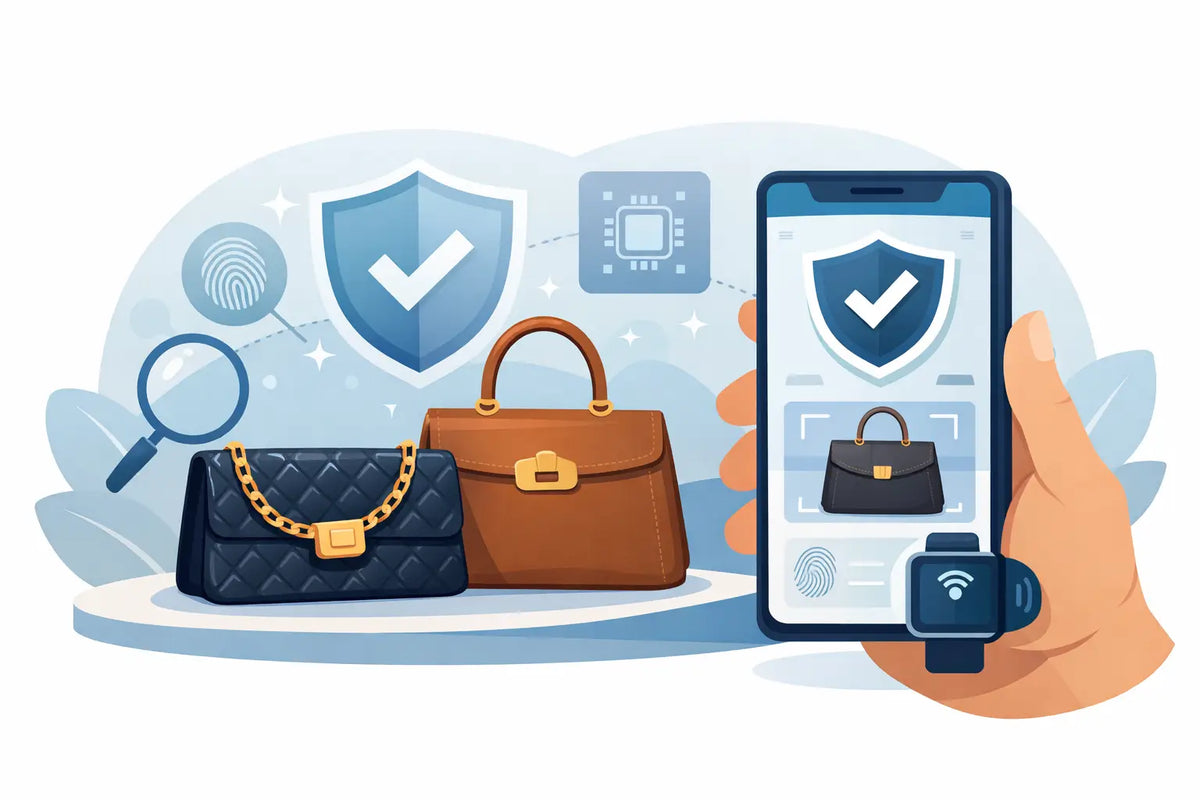
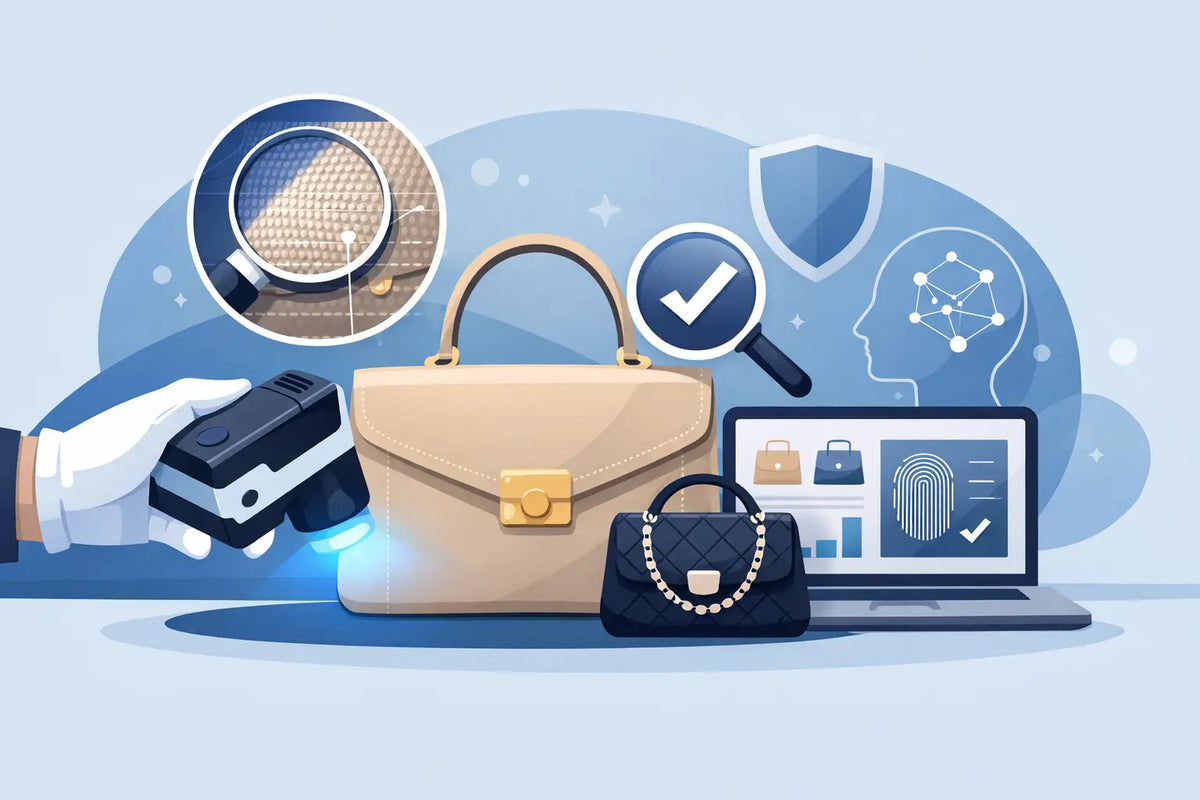
Entrupy is not simply a photo app that glances at a bag and produces a yes-or-no answer. The process typically involves capturing highly detailed microscopic images of specific areas of an item, then comparing those image patterns against a proprietary database. The focus is on measurable characteristics that are difficult to reproduce consistently, such as leather grain, heat stamp behavior, coated canvas structure, and other surface-level details.
That gives Entrupy a real advantage in speed and consistency. A trained operator can scan an item, submit the data, and receive a result relatively quickly. In a busy resale environment, that efficiency matters. It helps support inventory intake, selling decisions, and buyer confidence.
Still, the system has limits. It only works for supported brands and supported categories. It is also dependent on scan quality and proper handling. If the wrong areas are scanned or the item has been heavily repaired, altered, or worn in ways that affect the surface characteristics being measured, the result may be less straightforward.
Where Entrupy performs well
Entrupy tends to be most useful for popular luxury brands and commonly traded styles with strong data representation. Think of houses and silhouettes that circulate frequently in the resale market. A larger body of comparative data generally strengthens machine-learning performance.
It also performs well when the item is in a condition that allows clear imaging. A well-preserved bag with readable material characteristics gives any authentication system more to work with. For retailers and professional resellers, this can make Entrupy a practical and credible part of intake.
Another strength is standardization. Human authenticators can be excellent, but human review can also vary depending on experience, specialization, fatigue, and access to reference materials. A technology-based layer introduces consistency, which is especially useful when combined with expert review rather than used in place of it.
Where buyers should be cautious
The better question is not only is Entrupy reliable for handbag authentication, but also when should that reliability be questioned? That is where careful buyers tend to make better decisions.
First, not every luxury bag is an ideal candidate for machine-led authentication. Some rare vintage pieces, highly limited releases, exotic materials, or heavily restored bags may call for a more nuanced human assessment. These pieces can have age-related changes, production variations, or material characteristics that do not fit neatly into a standardized data model.
Second, an Entrupy certificate should not be the only sign of legitimacy a buyer relies on. Authentication is one part of a trustworthy transaction, but it is not the whole transaction. You should also look for detailed condition disclosure, consistent brand markings, accurate style information, provenance when available, and a seller with a clear reputation for handling luxury goods properly.
Third, technology only reflects the quality of the process behind it. A strong result from a professional luxury reseller carries more weight than a vague claim from an unknown individual who says a bag was "Entrupy authenticated" without documentation, context, or transparent selling practices.
Entrupy vs human authenticators
This is where nuance matters most. Entrupy is not automatically better than a seasoned luxury authenticator, and a seasoned authenticator is not automatically better than a validated technology tool. The strongest approach often combines both.
Human experts can assess construction logic, date code consistency, hardware behavior, stitching alignment, material aging, and model-specific quirks in a way that broader systems may not fully capture. They can also evaluate whether an item makes sense as a whole. That is especially valuable for unusual bags, older collections, and high-level counterfeits that borrow authentic components or imitate known details convincingly.
Entrupy, on the other hand, can detect micro-level characteristics with consistency and without visual bias. It can serve as a meaningful checkpoint, particularly for brands and styles where its database is strong. In a professional resale setting, that added layer is a signal that the seller takes authentication seriously.
For many buyers, the ideal answer is not choosing between machine and expert. It is choosing a seller that respects both.
What an Entrupy result should mean to a buyer
An Entrupy-backed authentication should increase your confidence. It should not replace your judgment.
If a seller presents Entrupy as one component of a broader authentication process, that is usually a good sign. It shows discipline. It suggests the business understands that luxury resale demands more than a single buzzword. The most credible sellers pair authentication technology with internal review, brand familiarity, detailed product photography, and transparent return or service policies.
If a seller leans on Entrupy as though it settles every possible concern by itself, that is a less polished signal. Sophisticated buyers know the secondary luxury market does not work that way. Real confidence comes from layers of verification, not from one-line claims.
That is why boutique luxury resellers often emphasize both third-party authentication and hands-on expertise. The goal is not just to say a bag passed a test. The goal is to present the item with the level of care a serious buyer expects.
How to evaluate a seller using Entrupy
When you are shopping pre-owned luxury, look at the entire trust framework. Ask whether the seller specializes in designer handbags or handles every category under the sun. Review whether the listing includes clear photos of corners, hardware, interiors, stamps, and wear. Notice whether condition notes are honest or overly vague. These details matter just as much as any certificate.
It is also worth paying attention to brand coverage. If the bag you want is from a brand that Entrupy frequently supports and the seller is transparent about using it properly, that is encouraging. If the item is niche, highly collectible, or outside the usual scope, expert authentication depth matters even more.
At The Luxe Affair, for example, the value is not in presenting a single authentication label and stopping there. It is in curating luxury pieces with the kind of verification and presentation that help buyers feel secure owning the iconic.
So, is Entrupy reliable for handbag authentication?
Yes - when it is used by knowledgeable professionals, applied to supported items, and treated as one part of a serious authentication process. No - if the expectation is that any tool, on its own, can remove every gray area from luxury resale.
That may sound less absolute than some buyers want, but it is the most credible answer. Luxury authentication is strongest when technology and expertise work together. Entrupy has earned its place because it can add measurable confidence, consistency, and speed. What it should not do is encourage blind trust.
For buyers who care about authenticity, craftsmanship, and long-term value, the smartest move is not to chase the loudest certificate. It is to buy from a seller whose standards are visible in every part of the experience, from authentication to condition disclosure to the way each piece is presented before it ever reaches your closet.