How Does Luxury Bag Consignment Work for Sellers?
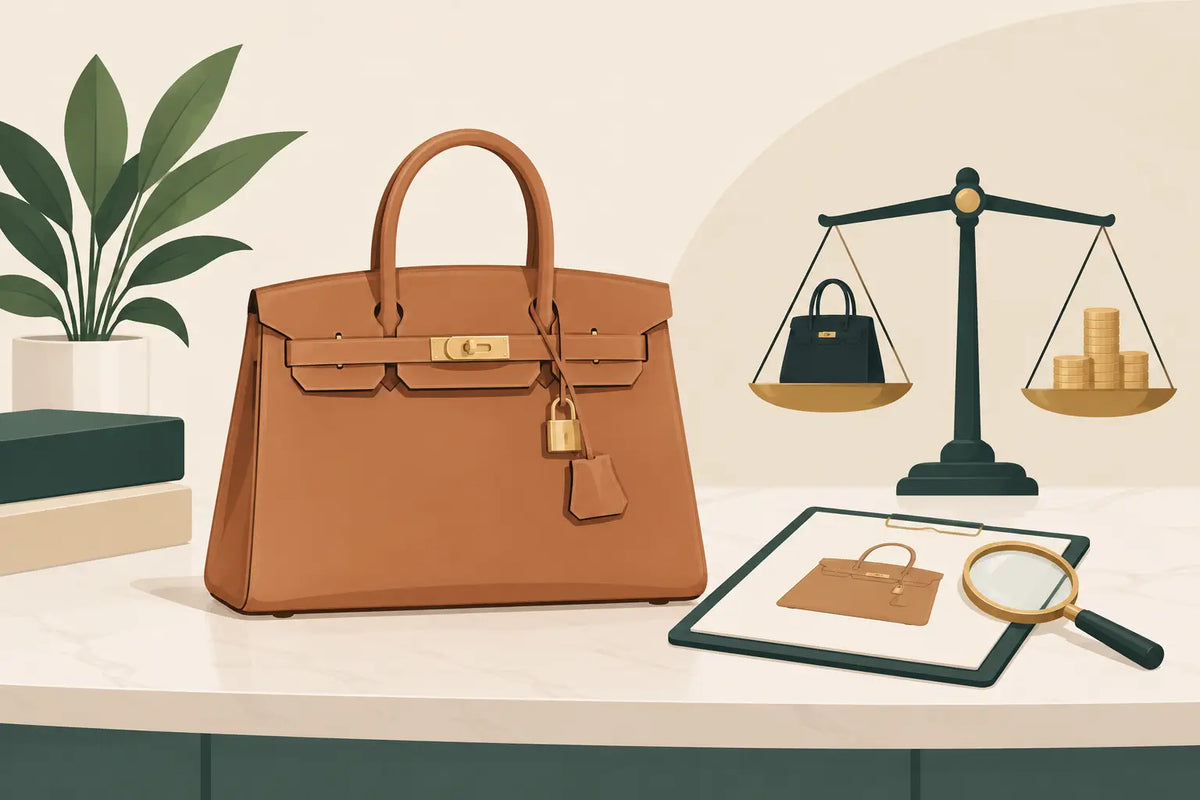
A Chanel Classic Flap, Hermès Kelly, or Louis Vuitton piece can hold meaningful resale value long after it leaves the boutique. But before you send yours to a reseller, you deserve a clear answer to one question: how does luxury bag consignment work? Unlike selling directly to a stranger, consignment places your bag with a resale partner that manages the presentation, authentication, buyer communication, and sale process on your behalf.
For many owners, it is a more polished way to turn a designer bag they no longer carry into funds for their next iconic piece. The trade-off is timing. You may earn more than you would through an immediate buyout, but payment generally arrives after the bag sells rather than upfront.
How Does Luxury Bag Consignment Work?
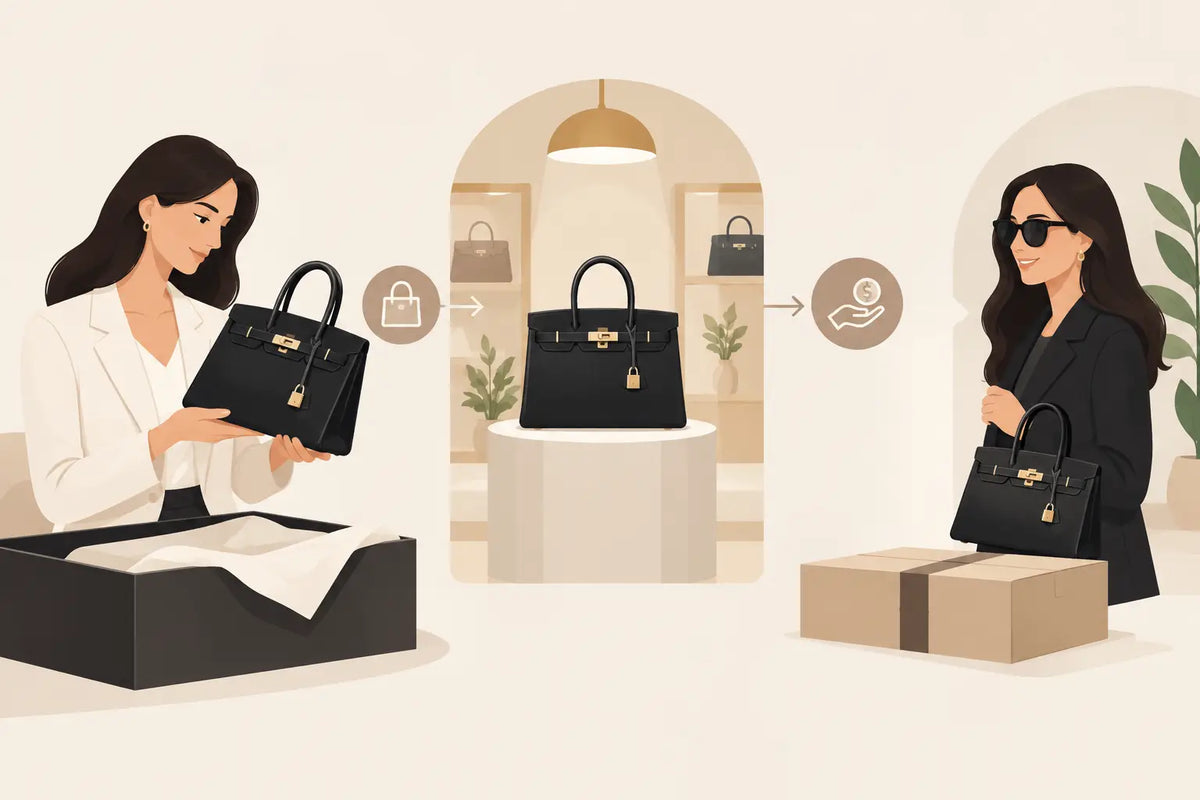
Luxury bag consignment is a sale arrangement in which you retain ownership of your handbag while a reseller markets it for you. The resale partner assesses the item, agrees on a listing price and commission structure, then photographs, lists, and sells the bag through its own audience and channels. Once a buyer completes the purchase and the applicable return window has passed, the consignor receives the agreed-upon proceeds.
The reseller earns a percentage of the final sale price, so its compensation is tied to successfully selling the piece. That distinction matters. With a direct purchase or buyout, a business offers you a fixed amount and takes on the risk of how quickly the item sells. With consignment, you share more of that market risk, but you may have the opportunity for a stronger return.
Every retailer sets its own terms, so never assume the same commission rate, payout schedule, insurance coverage, or price-reduction policy applies everywhere. Read the agreement before shipping or dropping off your bag.
The Consignment Process, Step by Step
1. Submit your bag for review
The process typically begins with photos and details. A consignment partner may ask for clear images of the front, back, corners, interior, hardware, date code or serial details where applicable, and any signs of wear. Include the brand, style, size, color, material, purchase history if known, and accessories such as a dust bag, box, strap, receipt, clochette, lock, or authenticity card.
This initial review helps the reseller determine whether the bag fits its assortment and whether there is enough demand to support a successful listing. A curated luxury boutique may decline an item that is authentic but too heavily worn, difficult to verify, oversupplied, or outside its customer base. That is not necessarily a judgment on the bag's quality. It is a decision about resale demand and the ability to represent the piece confidently.
2. Receive a price range or consignment offer
If accepted, you will usually receive a recommended listing price, a projected payout, or both. This figure is informed by brand, style, condition, rarity, current demand, recent resale activity, accessories, and the retailer's knowledge of its shoppers.
Retail pricing is not simply original retail price minus wear. A discontinued Louis Vuitton style may command strong interest, while a newer bag with a high boutique price may sell below expectations if there is abundant supply. Hermès, vintage Chanel, and limited pieces can behave differently still. Market value is driven by what qualified buyers are willing to pay now.
Ask whether the quoted amount is the list price or your estimated net proceeds. Also ask whether the price may be reduced after a set period and whether you must approve reductions. A thoughtful strategy matters more than an inflated starting number that leaves the bag sitting unsold.
3. Send or deliver the item securely
Once you accept the terms, the reseller will provide shipping or drop-off instructions. This is where details matter. Confirm who pays for shipping, how the package should be packed, whether the shipment is insured, and when responsibility transfers if the package is lost or damaged in transit.
Use a sturdy box, protect hardware from scratches, and avoid placing loose chains directly against leather. Do not send personal items, old receipts containing sensitive information, or anything you expect returned unless the retailer has agreed to it. Photograph the bag, its accessories, and the packed shipment for your records before it leaves your hands.
4. Authentication and condition review take place
A reputable luxury reseller does not rely only on submitted photos. Once the bag arrives, it is inspected in person for authenticity, condition, material quality, construction details, hardware, stamps, serial features where relevant, and overall resale readiness. Some businesses also use third-party authentication specialists and technology, including services such as Entrupy or Legit App, as part of their process.
This review can change the original estimate. If undisclosed corner wear, odor, altered hardware, missing components, or authenticity concerns appear during inspection, the reseller may revise the price, request further documentation, return the item, or decline it altogether. Clear condition disclosure upfront prevents disappointment later.
Authentication protects more than the eventual buyer. It protects you from being associated with a disputed sale and protects the resale partner's reputation. In luxury resale, confidence is part of the product.
5. Your bag is prepared and listed
After acceptance, the retailer typically cleans or lightly refreshes the item when appropriate, photographs it, records condition notes, and creates a product listing. A strong listing should identify the exact style, dimensions, materials, included accessories, and any wear with direct, accurate language.
This presentation is one of the central advantages of consignment. Rather than negotiating in direct messages, handling payment requests, or trying to prove authenticity to each interested party, you benefit from an established storefront and a buyer audience already shopping for verified luxury. A boutique reseller such as The Luxe Affair can position a pre-owned piece as a considered luxury purchase, not an uncertain secondhand transaction.
6. The item sells and you are paid
When the bag sells, the buyer's payment is processed and the order is shipped. Your payout is usually issued only after the transaction is complete according to the consignment agreement. That may mean after delivery, after a return period, or on a scheduled monthly payout cycle.
Your final payment equals the sale price minus the agreed commission and any disclosed fees. Fees may cover authentication, cleaning, photography, shipping, payment processing, or return handling, depending on the partner. Do not focus on commission alone. Compare the realistic net payout, the level of service, the retailer's selling reach, and the protections built into the arrangement.
What Determines Your Bag's Resale Value?
Condition is influential, but it is not the only factor. A highly sought-after bag with softened corners may outperform a nearly new style that buyers are not actively seeking. Brand heritage, color, size, leather type, hardware finish, rarity, seasonality, and whether the bag includes its original accessories all shape demand.
For example, neutral colors and classic silhouettes often have a broad resale audience, while unusual shades can appeal intensely to the right collector but take longer to sell. Complete sets may also command more confidence. A bag with its strap, dust bag, box, receipt, and boutique packaging is not automatically worth a premium, but those details can make authentication and buyer decision-making easier.
Be honest about wear. Mention scratches, discoloration, loose stitching, interior marks, hardware tarnish, odors, glazing issues, repairs, and prior alterations. Buyers of pre-owned luxury expect signs of use. What they do not accept is a condition surprise.
Consignment vs. Selling Your Bag Outright
Consignment is usually best for owners who are comfortable waiting for the right buyer and want a partner to handle the work. It can be especially attractive for desirable bags where careful merchandising and authentication may support a stronger sale price.
An outright sale is often better when speed and certainty matter most. You receive an immediate offer, accept it, and the transaction is complete once the item is verified. The offer may be lower than a possible consignment payout because the buyer is taking on inventory costs, pricing risk, and the possibility that the item will not sell quickly.
Neither route is automatically better. If you are funding another purchase on a deadline, an immediate sale may be worth the lower return. If your bag is rare, in excellent condition, or likely to attract a collector, consignment may justify the wait.
Questions to Ask Before You Consign
Before committing, get the key terms in writing. Ask how authentication is performed, what commission you will pay, how long the consignment period lasts, and when you can expect payment after a sale. Confirm whether you can request your bag back before it sells, whether there are return or withdrawal fees, and who is responsible if the item is damaged, lost, or returned.
You should also ask how price reductions are handled. A partner that communicates before adjusting the price gives you more control over your asset. Finally, look at how the business presents similar pieces. Detailed condition reporting, quality photography, and a clear authentication position are signs that your bag will be represented with the care luxury buyers expect.
The right consignment partner should make the process feel considered, not complicated. Bring complete information, set a realistic expectation for value, and choose a reseller whose standards make a buyer comfortable saying yes to your bag.