Luxury Consignment: A Smarter Way to Resell
A Chanel flap bag or Hermès Birkin should never be treated like an ordinary closet cleanout. Luxury consignment gives exceptional pieces a more considered next chapter - and gives their owners a way to pursue resale value without navigating the uncertainty of a peer-to-peer sale alone. For handbags and accessories with lasting demand, the right resale partner can make the difference between a rushed transaction and a sale that reflects the item’s craftsmanship, condition, and market appeal.
What Luxury Consignment Means for Your Designer Pieces
Luxury consignment is an arrangement in which a specialized reseller markets and sells your item on your behalf, then pays you an agreed portion of the sale after it sells. Rather than creating listings, fielding messages, negotiating with strangers, and managing payment or shipping yourself, the owner places the item with a resale partner equipped to present it to qualified luxury shoppers.
This model is especially suited to iconic designer handbags from houses such as Louis Vuitton, Dior, Gucci, Chanel, and Hermès. These pieces have an established secondary market, but they also require more than a quick photo and a price tag. Buyers want confidence in authenticity, clear photographs, accurate condition disclosures, and a seller who understands the details that affect value.
Consignment is not the same as an immediate buyout. With a direct sale, a reseller purchases the item outright and pays you sooner, typically at a lower amount to account for the inventory risk it assumes. Consignment may offer greater earning potential because the item is sold to an end customer at its market-facing price, but it requires patience. The right choice depends on whether speed or potential return matters more for your current goals.
Why Authentication Protects the Value of Luxury Consignment
In luxury resale, authentication is not an add-on. It is the foundation of a credible sale. A beautiful bag without a trustworthy authentication process will face buyer hesitation, no matter how desirable the style may be.
A specialized luxury consignment partner should evaluate the item with trained expertise and, where appropriate, third-party technology or independent authentication resources. Authentication supports the buyer’s confidence, but it also protects the seller. It ensures that a genuine item is represented accurately and positioned in a market where serious buyers recognize its value.
The same standard applies to condition. Pre-owned luxury is expected to show a history, but that history must be described with precision. Corner wear, hardware scratches, interior marks, softened structure, altered straps, missing accessories, and repairs all matter. A well-managed listing does not hide these details. It presents them clearly, so the buyer understands exactly what they are receiving and the seller avoids disputes after the sale.
For collectible or high-demand styles, original packaging, receipts, dust bags, authenticity cards, straps, clochettes, locks, keys, and inserts can also influence desirability. They do not always determine authenticity on their own, and their absence does not make a handbag less genuine. Still, complete inclusions can make an item more compelling to a collector and may strengthen its resale position.
What Determines Your Bag’s Resale Potential
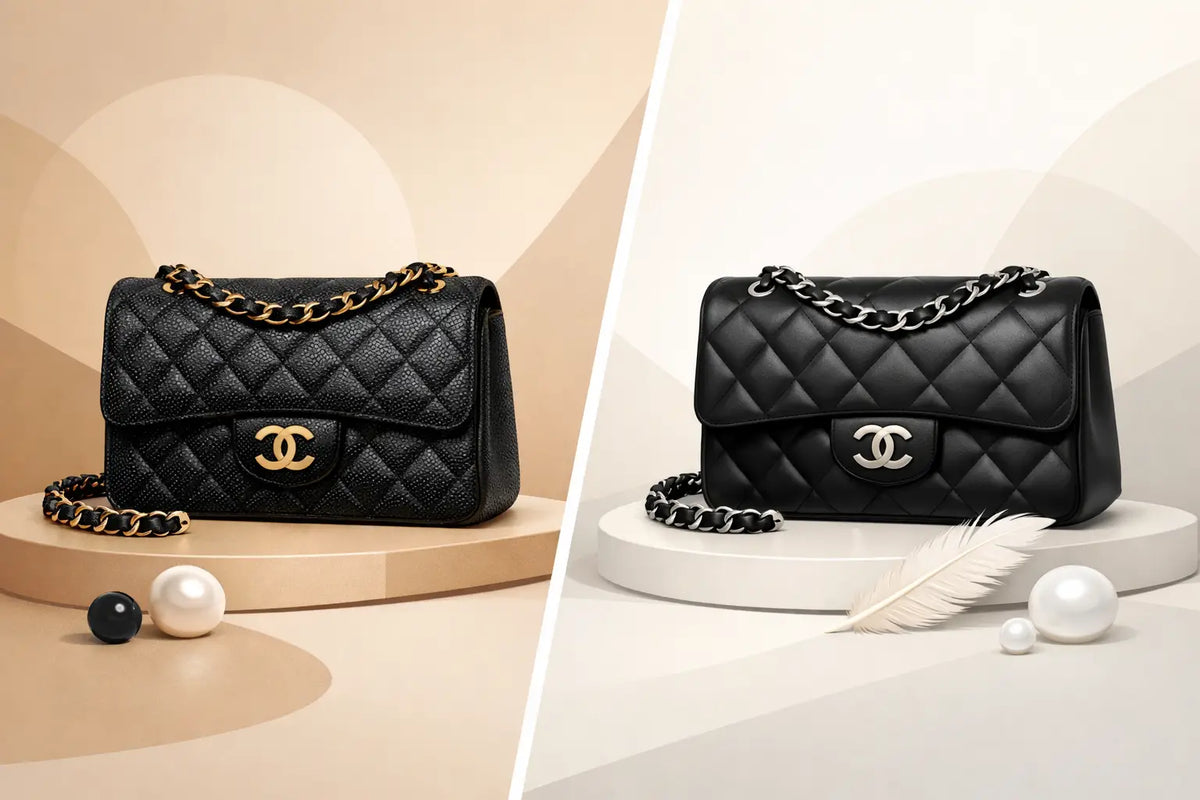
Luxury resale value is rarely based on original retail price alone. A bag’s value is shaped by demand, rarity, condition, material, color, age, and the current preferences of the market. A classic black caviar Chanel bag may attract a different buyer than a seasonal novelty piece, while an Hermès bag’s value can shift significantly based on leather, size, color, and hardware.
Condition is often the clearest factor an owner can assess before consigning. A bag that has been stored thoughtfully, cleaned carefully, and protected from moisture, color transfer, and excessive wear will generally have a wider pool of interested buyers. That said, even a well-loved piece may have meaningful value if it is a sought-after style or hard-to-find color.
Timing can matter, too. Certain shapes return to prominence after runway seasons, celebrity styling moments, or renewed collector interest. Yet waiting is not always the better financial decision. If you no longer wear a bag, its resale value can be more useful to you now than its potential value years from now. Luxury should be enjoyed, but it can also be managed with intention.
Preparing a Handbag for Consignment
Before submitting a piece, take a close and honest look at it. Gather every accessory you still have, including detachable straps, dust bags, boxes, receipts, care booklets, and hardware components. Do not attempt to conceal wear with home repairs, paint, polish, or adhesives. Improper restoration can affect the item’s condition and make professional assessment more difficult.
A light, careful wipe-down may be appropriate, but avoid over-cleaning delicate leather, suede, canvas, or interior linings. Luxury materials respond differently to moisture and cleaning products. If the bag needs restoration, disclose the issue rather than trying to correct it yourself. An experienced resale partner can advise whether professional care is worthwhile before listing.
When you submit your item, clear photos are useful. Photograph the front, back, sides, base, interior, corners, handles, hardware, date codes or serial details when applicable, and any visible signs of wear. The goal is not to make the bag look flawless. It is to provide enough information for a thoughtful preliminary review.
Be ready to share what you know about its history: when it was purchased, whether it has been repaired or altered, how frequently it was carried, and which accessories are included. Transparency at the beginning helps create a more accurate valuation and a smoother sale.
Choosing the Right Luxury Consignment Partner
Not every resale channel offers the same experience. General marketplaces may seem convenient, but sellers can be left to manage inquiries, low offers, returns, payment concerns, and buyer skepticism on their own. For high-value designer pieces, a curated luxury reseller offers a more controlled path.
Look for a partner with a defined authentication process, detailed condition standards, secure handling procedures, and an established presentation that matches the caliber of the brands it carries. Professional photography and thoughtful product descriptions are not merely aesthetic details. They help the item reach buyers who are prepared to invest in pre-owned luxury with confidence.
Ask clear questions before consigning: How is the item authenticated? How is the selling price determined? What percentage will you receive? When are payments issued? What happens if the item does not sell? Who is responsible for shipping, insurance, and any return process? A credible partner should answer directly and set expectations before your item changes hands.
The Luxe Affair approaches resale as a boutique luxury experience, with a focus on authenticated inventory, condition clarity, and a curated presentation designed for discerning buyers. For a seller, that kind of positioning matters. The better the buyer experience, the stronger the environment for your piece to earn attention.
Setting Expectations Around Price and Timing
The most successful consignment experience begins with a realistic view of market value. A resale price should reflect what informed buyers are currently willing to pay, not simply the original purchase price or sentimental importance of the item. Pricing too high can leave a bag sitting without serious interest. Pricing too low can reduce your return and undermine the value of an exceptional piece.
A trusted consignment specialist balances comparable sales, current inventory, brand demand, and condition to recommend a price strategy. Some items sell quickly because they are classics with broad appeal. Others need more time because they are seasonal, rare, or priced for a narrower collector audience. Neither outcome is automatically a sign of value or lack of it.
Patience is part of the trade-off. Consignment can be an excellent option for owners who want professional support and access to a qualified audience, but it is not designed for every urgent cash need. If immediate payment is the priority, a direct buyout may be the better fit. If maximizing a carefully positioned resale opportunity is the goal, consignment is often worth considering.
A More Intentional Way to Move Luxury Forward
The best luxury consignment sales feel considered on both sides. The seller gains a trusted route to recirculate a valuable piece. The buyer gains access to an authenticated icon with its condition clearly represented. And a handbag that has been carefully chosen, carried, and admired continues its story with someone ready to make it their own.
If a designer bag no longer fits your wardrobe, let its next move be as refined as its first. A transparent evaluation, expert authentication, and a resale partner worthy of the piece can turn a beautiful item in storage into meaningful value - without compromising the confidence luxury ownership deserves.