Louis Vuitton Sourcing With Confidence
A Louis Vuitton bag can look right at first glance and still raise questions once it arrives: a handle feels overly dry, a date code is absent, or the canvas print does not align as expected. That is why Louis Vuitton sourcing is not simply about finding a style at the right price. It is a considered process of evaluating provenance, authenticity, condition, and market value before a piece changes hands.
For a buyer, thoughtful sourcing protects the excitement of owning an icon. For a seller, it helps position a bag accurately and fairly. In a resale market where demand for classic monogram, Damier, and limited-edition pieces remains strong, the details are where confidence is built.
What Louis Vuitton Sourcing Really Means
Louis Vuitton sourcing refers to the process of locating and assessing pre-owned Louis Vuitton pieces for resale or personal collection. A reliable process looks beyond the bag's name, size, and asking price. It considers whether the item is authentic, how it has been cared for, whether the condition matches its description, and how its specific style performs in the current market.
The right source can be a closet collection, a trusted consignment channel, an established luxury reseller, or a private owner with clear purchase history. The source alone does not prove authenticity, but it can shape the amount of documentation and verification available. A bag with a receipt, original packaging, and a consistent ownership story may be easier to evaluate, yet none of those items should replace professional authentication.
Sourcing also requires a realistic view of desirability. A Neverfull, Speedy, Alma, or Pochette may have broad and enduring appeal, while a seasonal colorway or fashion-forward collaboration may attract a narrower collector. Neither is automatically the better purchase. It depends on whether the buyer values everyday wear, rarity, personal style, or resale potential.
Start With the Exact Piece, Not a General Search
A broad search for a "Louis Vuitton bag" makes it harder to compare listings and spot inconsistencies. Begin with the exact model, material, approximate size, and preferred era. Know whether you are looking for a canvas Speedy 30, an Epi Alma BB, a vintage shoulder bag, or a specific limited release.
This focus gives you a meaningful baseline for price and condition. It also helps you recognize features that should be present on that model, such as a particular strap configuration, lining material, closure, pocket placement, or hardware finish. Louis Vuitton has updated certain designs over time, so compare an item to the correct production period rather than assuming every version should look identical.
For sellers, specificity matters just as much. A clear identification of the model, material, dimensions, and included accessories allows a buyer to make a confident decision. Calling a bag "vintage" without explaining its age-related wear, for example, creates uncertainty rather than value.
Authenticate Through the Whole Construction
No single detail can authenticate a Louis Vuitton piece. Authenticity is established through the full construction: materials, craftsmanship, stamps, hardware, stitching, lining, shape, and the way those elements work together. Counterfeiters may copy a stamp or date code, but recreating consistent quality across every component is far more difficult.
Canvas should have an appropriate texture and structure for the style. Leather trim, known as vachetta on many classic canvas pieces, naturally develops a patina with age and exposure. That patina can range from light honey to a deeper caramel tone. It should not be treated as damage by default, though water marks, cracking, dark handles, or significant dryness should be disclosed and reflected in the price.
Heat stamps deserve close attention, but they are not a standalone test. Letter spacing, font, placement, and embossing can vary by item and production era. The same is true for hardware. Examine engraving, weight, finish, zipper movement, rivets, and closures in context with the model.
Date codes are another area where oversimplification can lead shoppers astray. Many older Louis Vuitton pieces have date codes that indicate production timing and location, while newer items may use microchips rather than visible codes. A missing visible code on a newer bag is not, by itself, a reason to reject it. Conversely, the presence of a code does not establish authenticity.
For high-value purchases, independent expert authentication offers meaningful protection. A curated resale partner that uses qualified authenticators and respected third-party verification tools provides more assurance than a quick visual opinion or a seller's promise.
Condition Is More Than a Single Grade
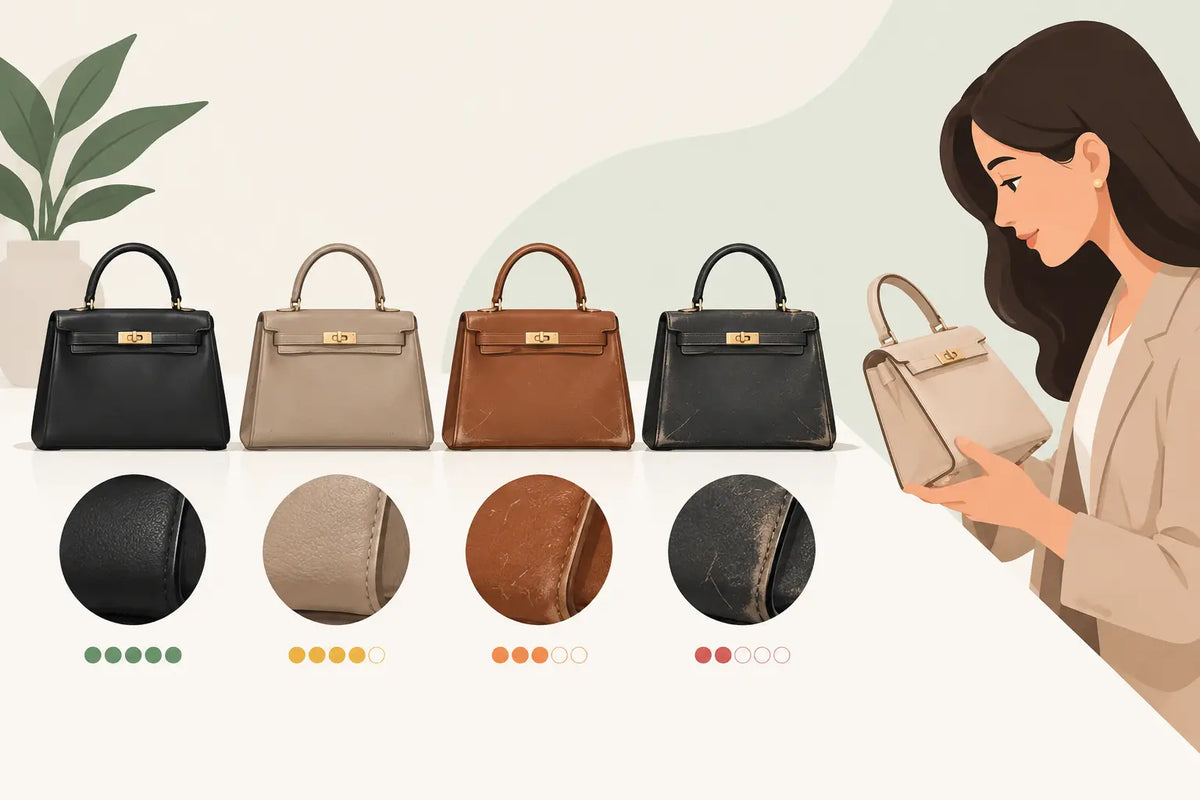
A pre-owned Louis Vuitton piece can be authentic and still be the wrong buy if its condition is not clearly represented. Luxury resale condition should be evaluated in practical terms: what is visible, what affects use, and what may require care in the future.
Study corners, piping, handles, straps, interior lining, pockets, hardware, glazing, and closure function. Canvas is generally durable, but it can crack at stress points. Leather can darken, stain, dry out, or split. Interior linings can show pen marks, odors, peeling, or stickiness depending on the material and age. These issues vary in seriousness. Light surface wear may be expected on a well-loved vintage piece; sticky interiors or compromised straps can limit immediate usability and add restoration costs.
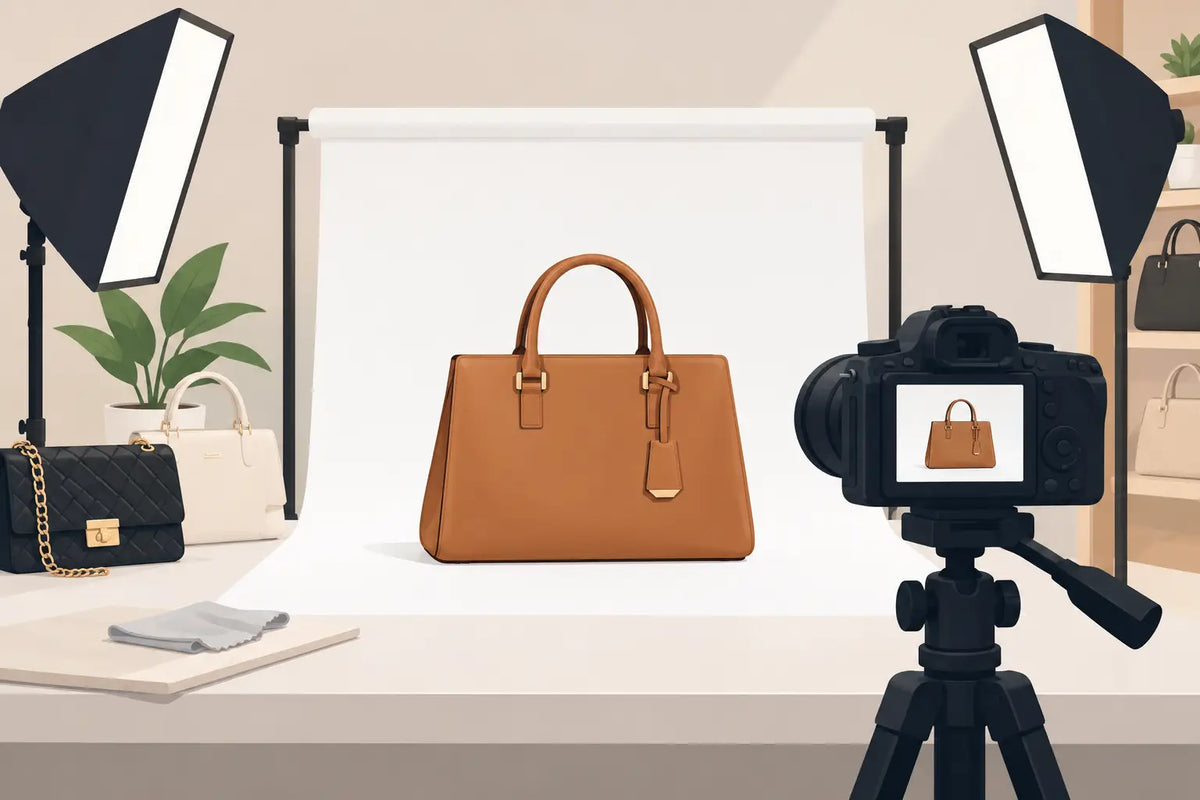
Photos should show more than the bag posed from the front. Clear views of corners, bases, handle edges, interior surfaces, hardware, stamps, and any flaws are part of an honest presentation. When purchasing online, ask whether images reflect the actual item and whether the condition description identifies notable wear rather than relying only on a broad label such as "good."
Original accessories can add appeal, especially for collectors. A detachable strap, lock and keys, clochette, dust bag, box, receipt, or authenticity documentation may influence value. Still, the bag itself remains the priority. A complete set does not compensate for questionable construction or undisclosed damage.
Price the Piece Against the Market, Not Retail
Retail pricing is useful context, but it is not the resale value. Louis Vuitton sourcing requires comparison with recent market activity for the same style in similar condition. Demand, size, color, material, age, scarcity, and included accessories can all affect the final figure.
Classic canvas models tend to benefit from wide recognition and steady interest, especially when they are clean, functional, and accompanied by desirable accessories. Discontinued shapes can perform well when they fill a gap in the current collection. Limited editions can command premiums, but only when collector demand is active. A rare item without a strong buyer audience may take longer to sell than a more common, wearable classic.
Be cautious with prices that feel dramatically below the market. A low price may reflect condition problems, missing components, a rushed seller, or an authenticity concern. It can also represent an opportunity, but only after the same verification standards are applied. Luxury is not a category where a bargain should lower your scrutiny.
For sellers, pricing too high can leave a piece sitting untouched; pricing too low can overlook its value. An accurate condition assessment and current comparable sales create a stronger starting point than emotion, original purchase price, or a single ambitious listing.
Choose a Selling Path That Protects the Asset
Owners sourcing a resale partner should evaluate the transaction as carefully as buyers evaluate a bag. Ask how authentication is handled, how condition is assessed, how pricing is determined, and what happens after the item is accepted. Clarity around payment timing, consignment terms, returns, and insurance is essential when a valuable accessory is involved.
Direct purchase may suit sellers who prioritize speed and a straightforward payout. Consignment may be a better fit for a sought-after piece when the owner is comfortable waiting for the right buyer and sharing in the eventual sale. The best option depends on the bag, its demand, and the seller's timeline.
At The Luxe Affair, pre-owned luxury is approached with the level of care iconic pieces deserve, with authentication and condition transparency at the center of the experience. That matters because resale should feel elevated, not uncertain.
A Better Standard for Every Purchase
The most satisfying Louis Vuitton purchase is not necessarily the newest, rarest, or most expensive one. It is the piece whose authenticity, condition, and value are clear enough for you to carry it without second-guessing. Take the extra moment to inspect the details, ask direct questions, and choose a source that treats trust as part of the product.