What Hermes Resale Margins Really Reflect
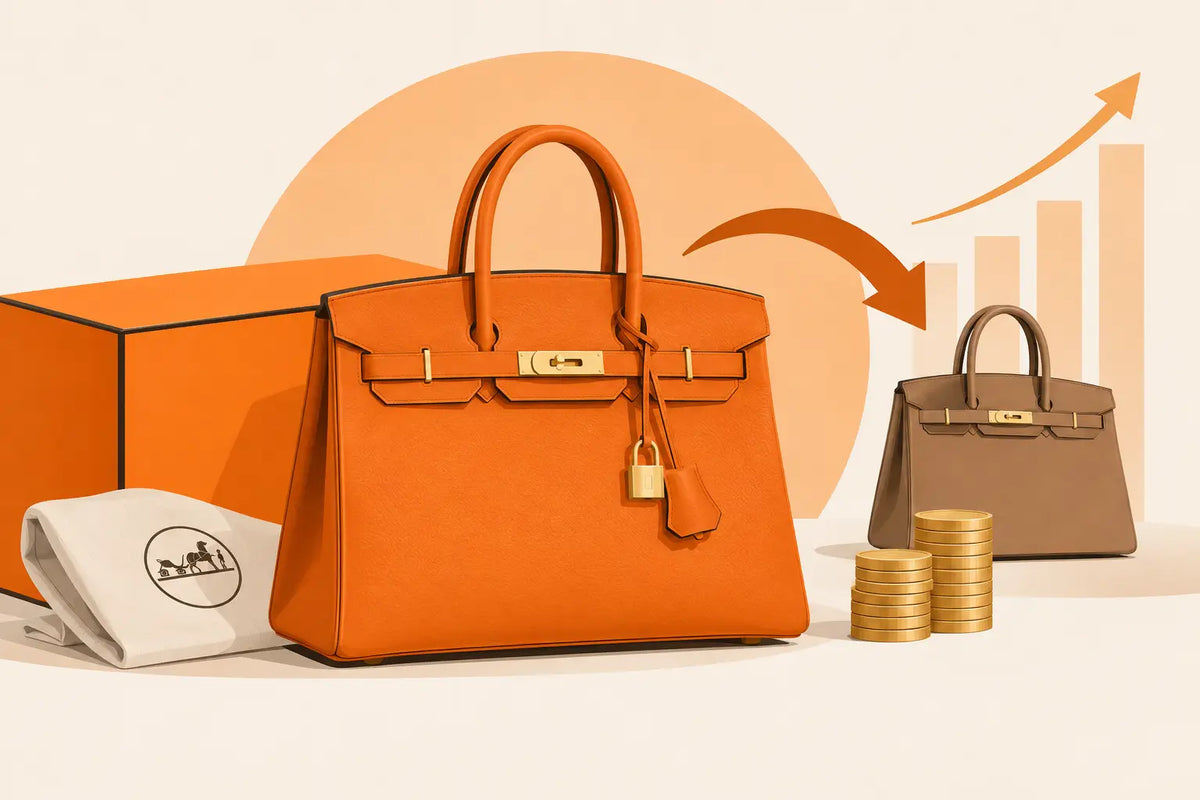
A Birkin is not simply a handbag with a higher price tag. It is a tightly controlled luxury asset whose resale value can move dramatically based on its size, leather, color, condition, and the confidence a buyer has in its provenance. That is why Hermes resale margins are often misunderstood. A headline-making sale price may look like pure profit, but the margin behind it is shaped by acquisition cost, market demand, authentication, restoration needs, selling fees, and how quickly the piece must sell.
For collectors, first-time luxury buyers, and owners considering a sale, understanding those moving parts leads to better decisions. The strongest Hermes resale opportunities are rarely about chasing every bag with a stamp. They are about recognizing which details hold value and which ones can narrow the buyer pool.
Hermes Resale Margins Start With the Right Definition
In resale, “margin” can mean two different things. For a seller, it may mean the difference between what they originally paid and what they receive after a resale transaction. For a curated resale retailer, it generally means the difference between the cost of acquiring a bag and the final selling price, after the real costs of bringing that item to market.
Those costs are meaningful. Authenticity verification, professional photography, insured handling, secure payment processing, customer service, shipping, and the risk of holding high-value inventory all affect a retailer’s margin. A bag listed at a significant premium is not automatically generating that same premium as profit.
This distinction matters because retail price is only one part of the equation. A highly desirable Hermès bag can command an exceptional price, yet a seller who purchased it secondhand at the top of the market may have very little room left after fees or consignment commission. Conversely, an owner who purchased directly from a boutique years earlier may see a substantial gain, even if the bag has visible signs of use.
Why Certain Hermès Bags Command More
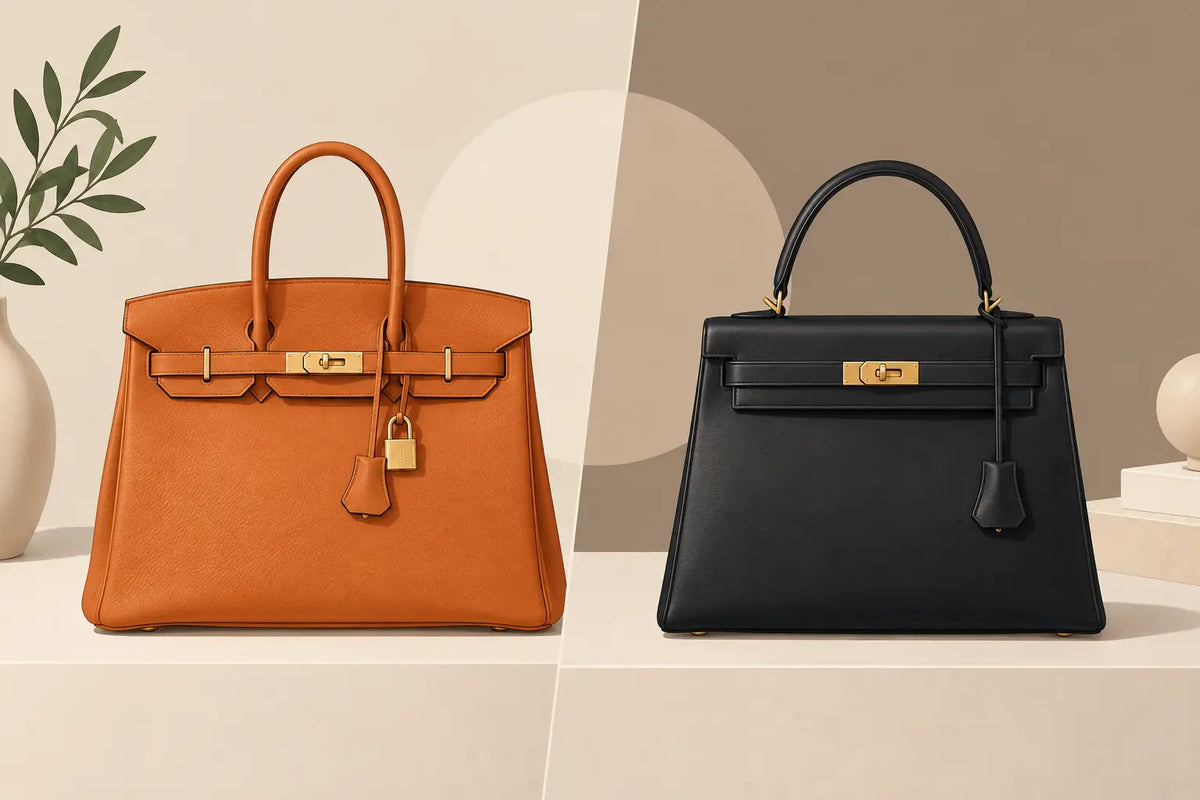
The Birkin, Kelly, and Constance remain the clearest examples of enduring demand. Their appeal is built on design, craftsmanship, limited access, and a longstanding cultural status that extends well beyond seasonal fashion. Yet even within these families, resale performance is not uniform.
A neutral-toned Birkin in a sought-after size often attracts a broad audience because it is easy to wear and easy to place in a collection. Classic hardware and durable leathers can further support demand. A rare exotic skin, special-order combination, or limited-edition piece may achieve a higher price, but it can also have a more specialized buyer. Rarity is valuable only when the right collector is actively looking.
Size creates a similar trade-off. Compact bags may appeal to buyers who favor lighter, more modern proportions, while larger sizes can be preferred by collectors seeking presence or practicality. There is no permanent, universal winner. The strongest margin potential tends to follow the intersection of recognizable model, versatile specifications, excellent condition, and current buyer preference.
Leather, Hardware, and Color Are Commercial Details
Hermès materials are central to both beauty and value. Togo, Epsom, Clemence, Box, Swift, and Chevre each wear differently and attract different buyers. A leather known for structure and durability may appeal to someone purchasing an everyday investment piece, while a softer or more delicate leather may attract a collector who values its particular finish.
Hardware also influences resale appeal. Palladium and gold are enduring choices, while less common finishes can draw attention when paired with the right bag. Color is equally nuanced. Black, Gold, Etoupe, and other versatile neutrals typically have deep demand, but a seasonal shade can outperform expectations when it is difficult to source, beautifully preserved, and aligned with the market’s current taste.
The key is not assuming that a rare specification automatically creates the highest margin. Highly specific bags often require patience. A classic configuration may sell faster and more predictably, which can matter just as much as a headline price.
Condition Can Protect or Compress Value
Condition disclosure is one of the most practical drivers of Hermès resale value. Buyers at this level are not expecting every pre-owned bag to be untouched. They are expecting a clear, accurate account of what they are purchasing.
Corner wear, softened structure, hardware scratches, interior marks, odor, staining, altered handles, and missing accessories can all affect price. Some wear is normal and manageable. Others change how a bag presents and how much restoration may be needed. A carefully maintained bag with light, honestly disclosed signs of use will generally inspire more confidence than one described vaguely as “good condition.”
Original accessories can help support resale positioning as well. Depending on the piece, buyers may value the box, dust bag, clochette, lock, keys, strap, rain cover, receipt, and authenticity documentation. Their absence does not make a bag undesirable, but it can influence buyer confidence and final price.
Professional spa services deserve a measured approach. Cleaning or minor restoration can improve presentation, but aggressive work may alter original materials or finish. Before investing in any restoration, consider whether it will truly improve buyer appeal and whether the cost is likely to be recovered.
Authentication Is Part of the Margin
In luxury resale, trust has financial value. A buyer considering a high-value Hermès purchase is paying for craftsmanship and status, but they are also paying for confidence that the bag is genuine, accurately represented, and securely transacted.
That is why authentication should never be treated as an optional line item. Expert review, detailed imagery, transparent condition notes, and a retailer with established verification practices can support a stronger resale price than an uncertain peer-to-peer listing. The same bag can be valued differently depending on the quality of the selling environment.
For sellers, credible authentication can reduce friction and limit the back-and-forth that often slows a transaction. For buyers, it protects the enjoyment of owning an iconic piece. A compelling price without meaningful verification is not necessarily a value.
Timing Matters, but It Is Not Everything
Hermès resale pricing responds to broader luxury demand, retail price increases, cultural visibility, and the availability of comparable bags. A highly publicized color, a renewed interest in a particular size, or tighter boutique access can shift buyer behavior. At the same time, economic uncertainty can make even coveted pieces take longer to sell.
Owners who need immediate liquidity may accept a lower offer than those willing to consign and wait for the right buyer. Neither choice is inherently wrong. It depends on whether speed, simplicity, or maximum potential return matters most.
Retailers face the same calculation. Carrying inventory involves capital, insurance, storage, and market risk. A more conservative acquisition offer can reflect the need to absorb those responsibilities, not a lack of appreciation for the bag’s value.
How to Assess a Hermès Bag Before Selling
A realistic resale assessment begins with specifics, not a broad statement that the bag is “rare.” Identify the exact model, size, leather, color, hardware, stamp year, condition, and included accessories. Take clear photos in natural light, especially of corners, handles, hardware, interior, and any areas of wear.
Then compare the bag to recent market offerings with similar specifications and condition. Avoid using the highest visible listing as the expected result. An asking price is not proof of a completed sale, and it may not account for the cost of selling, negotiation, or the time required to find a buyer.
If you choose a specialist, ask how the item will be authenticated, how condition will be presented, what the selling timeline may look like, and whether the offer is an outright purchase or a consignment arrangement. Transaction clarity is especially valuable when the bag represents a significant portion of your collection’s value.
At The Luxe Affair, a curated approach to authenticated pre-owned luxury helps buyers shop with greater confidence and gives sellers a more considered path for exceptional pieces. The goal is not to make every bag sound identical. It is to present each one with the accuracy its craftsmanship and value deserve.
A Strong Resale Outcome Is More Than a Number
Hermès resale margins are most durable when they are built on the details buyers can verify: an iconic model, desirable specifications, honest condition, credible authentication, and pricing that reflects the actual market rather than wishful thinking. A well-chosen bag can hold remarkable appeal over time, but the best outcome comes from treating it as both a personal luxury item and a carefully evaluated resale asset.
Whether you are adding a future heirloom to your wardrobe or considering the next chapter for a bag you have loved, clarity is the most valuable accessory you can bring to the transaction.